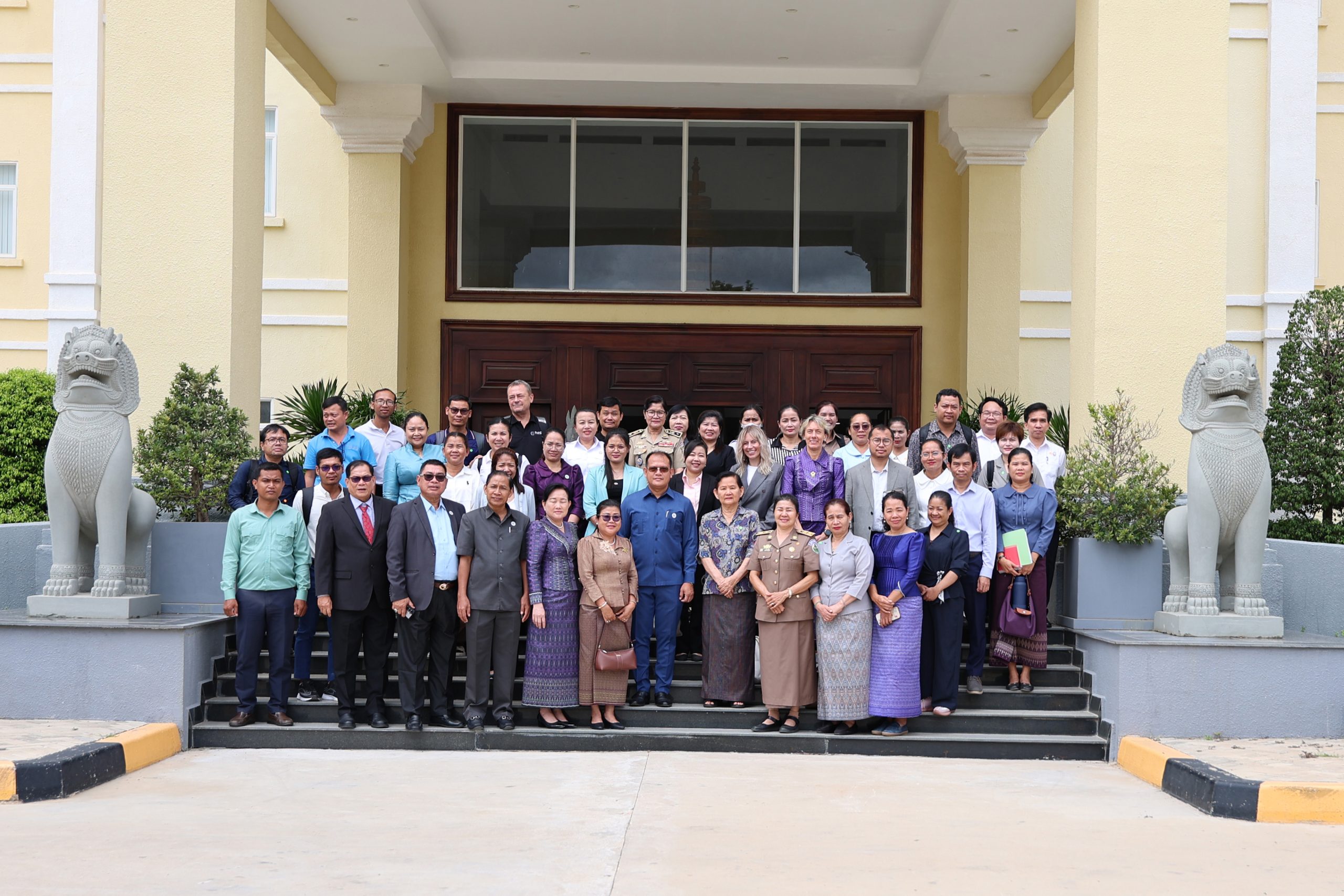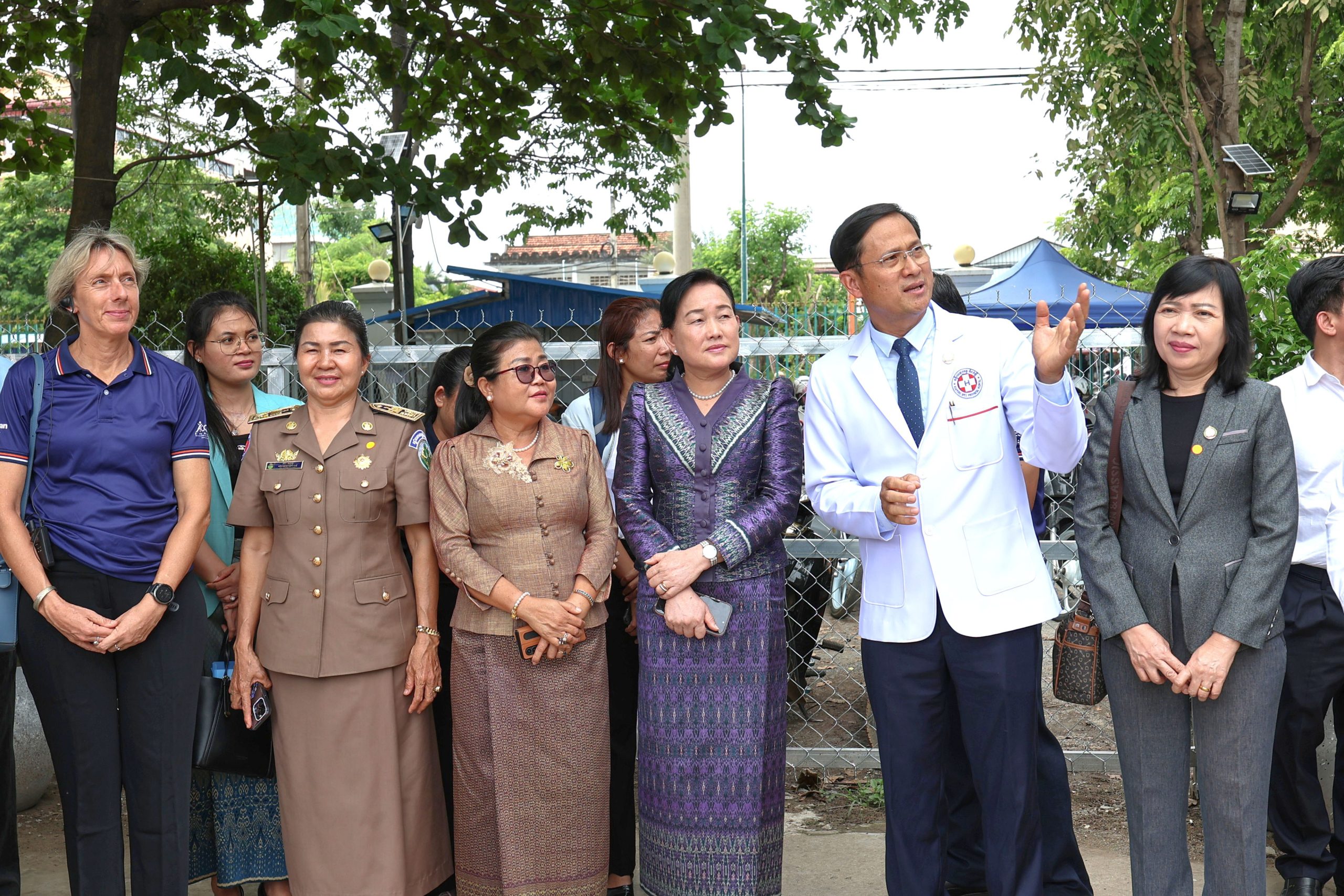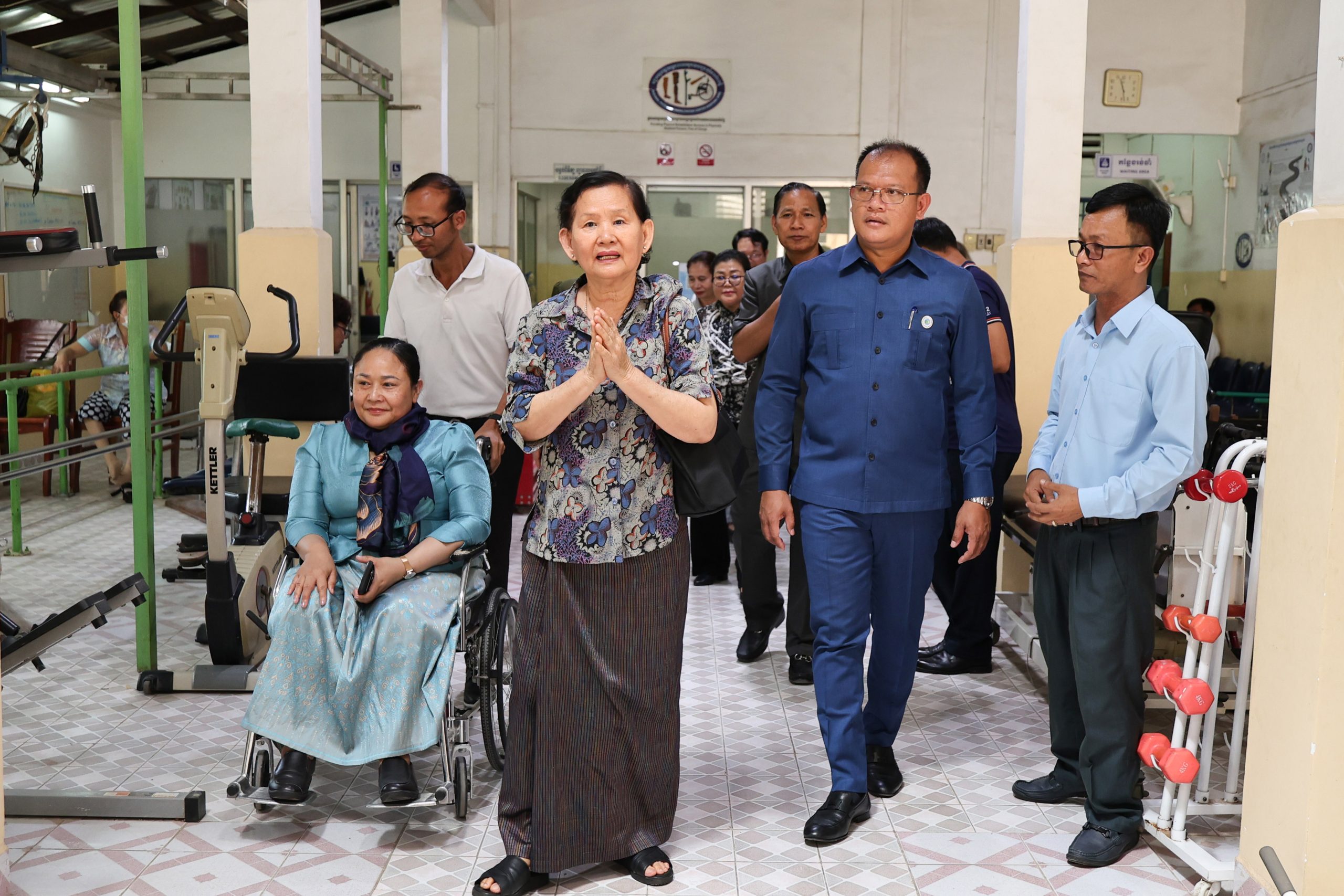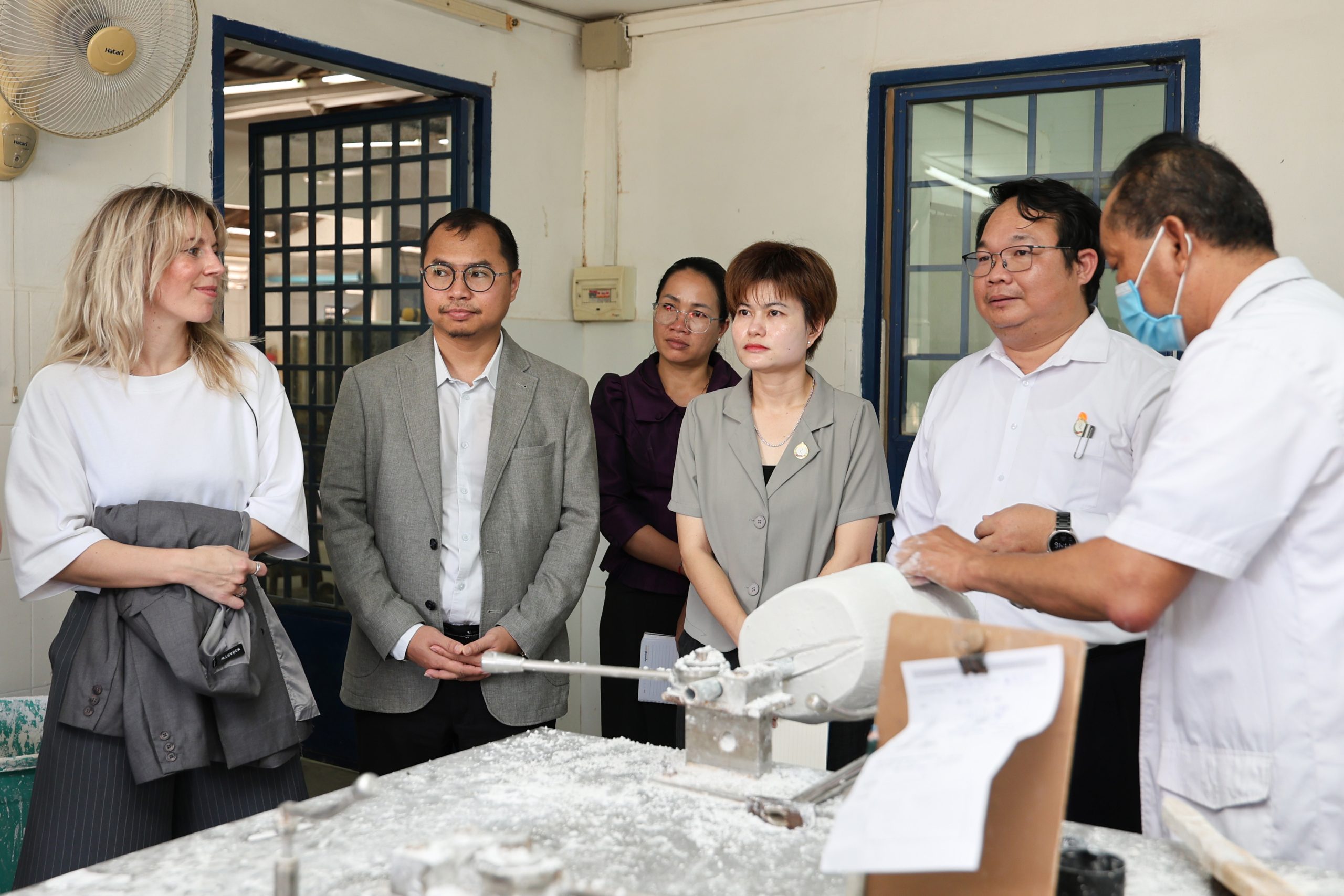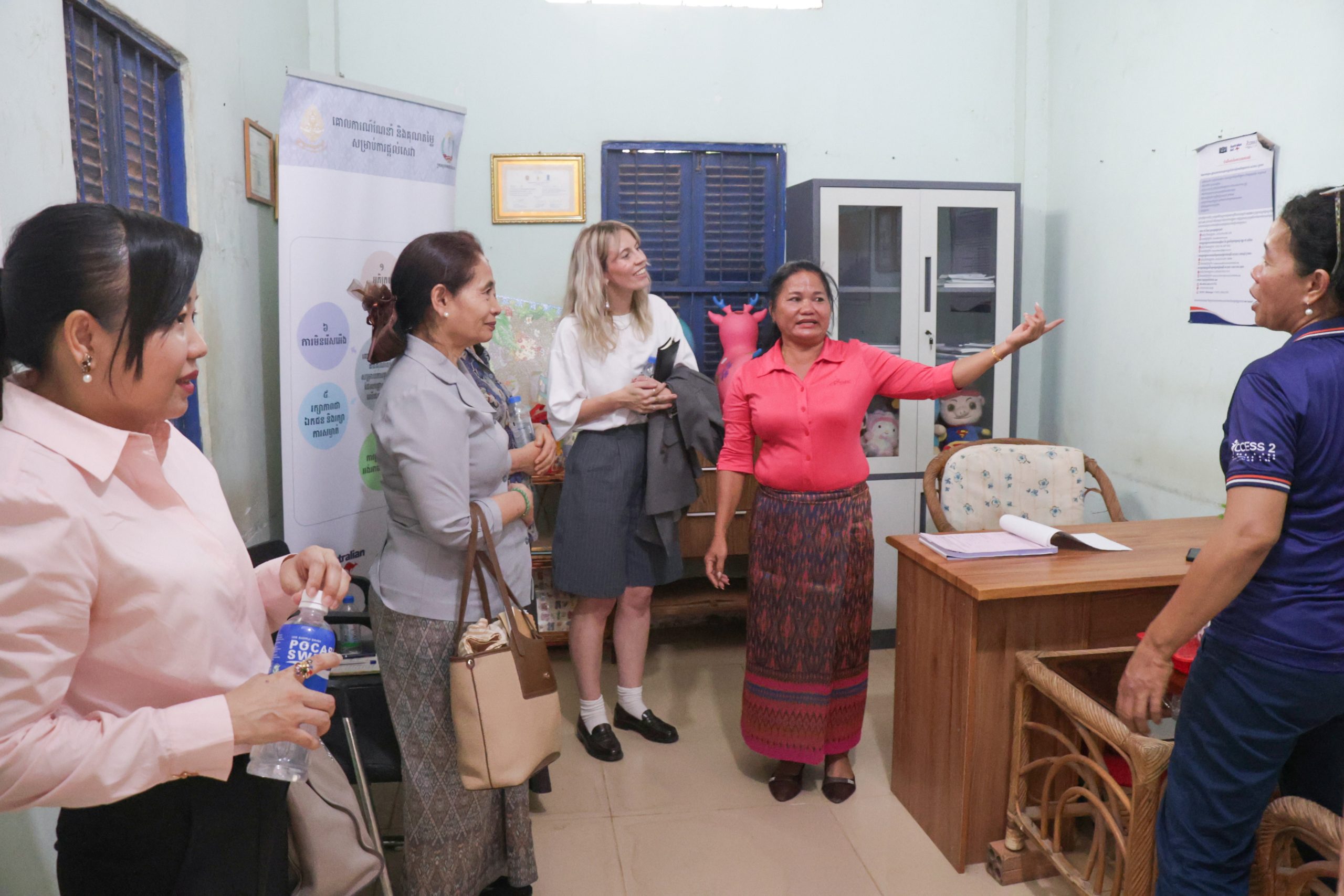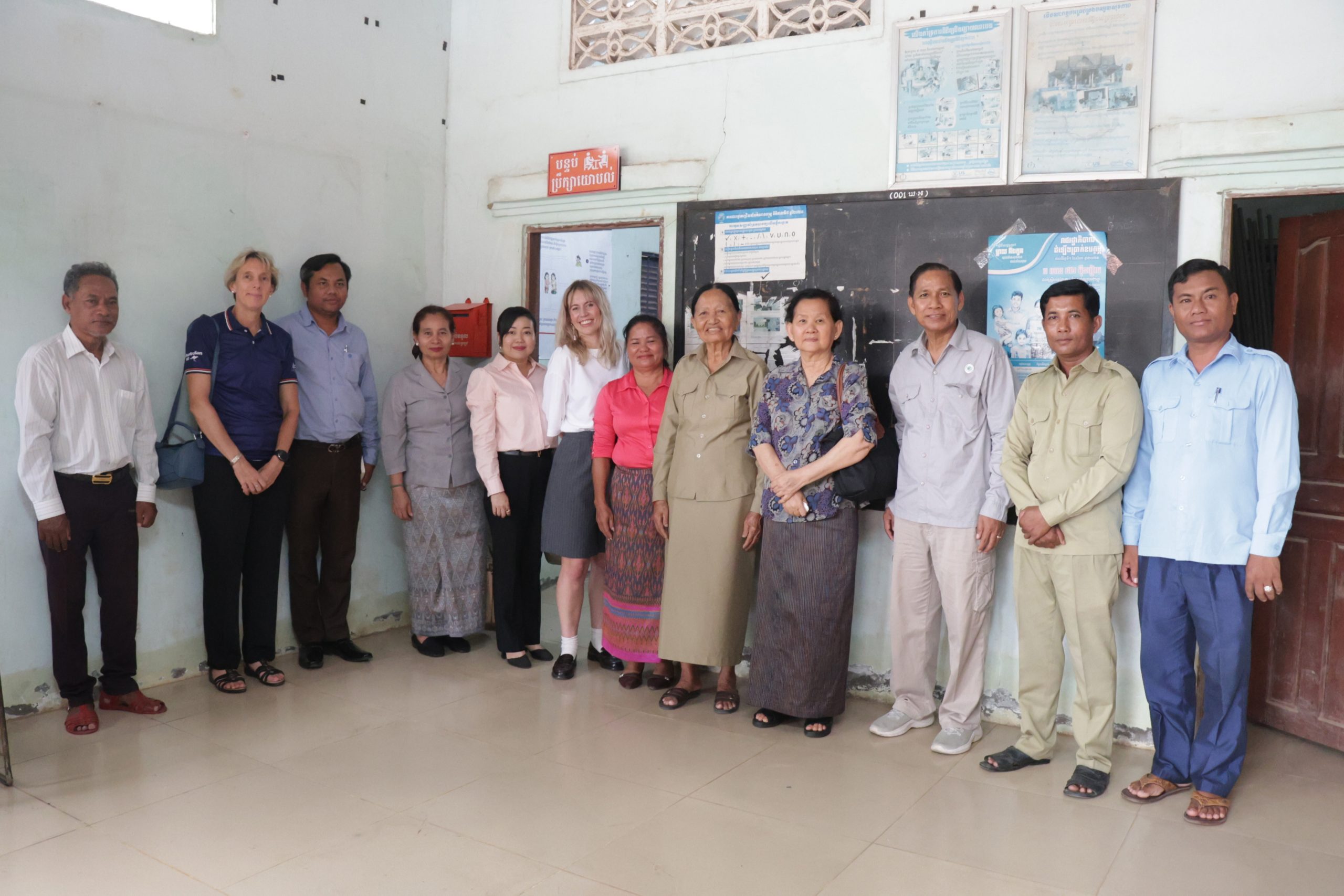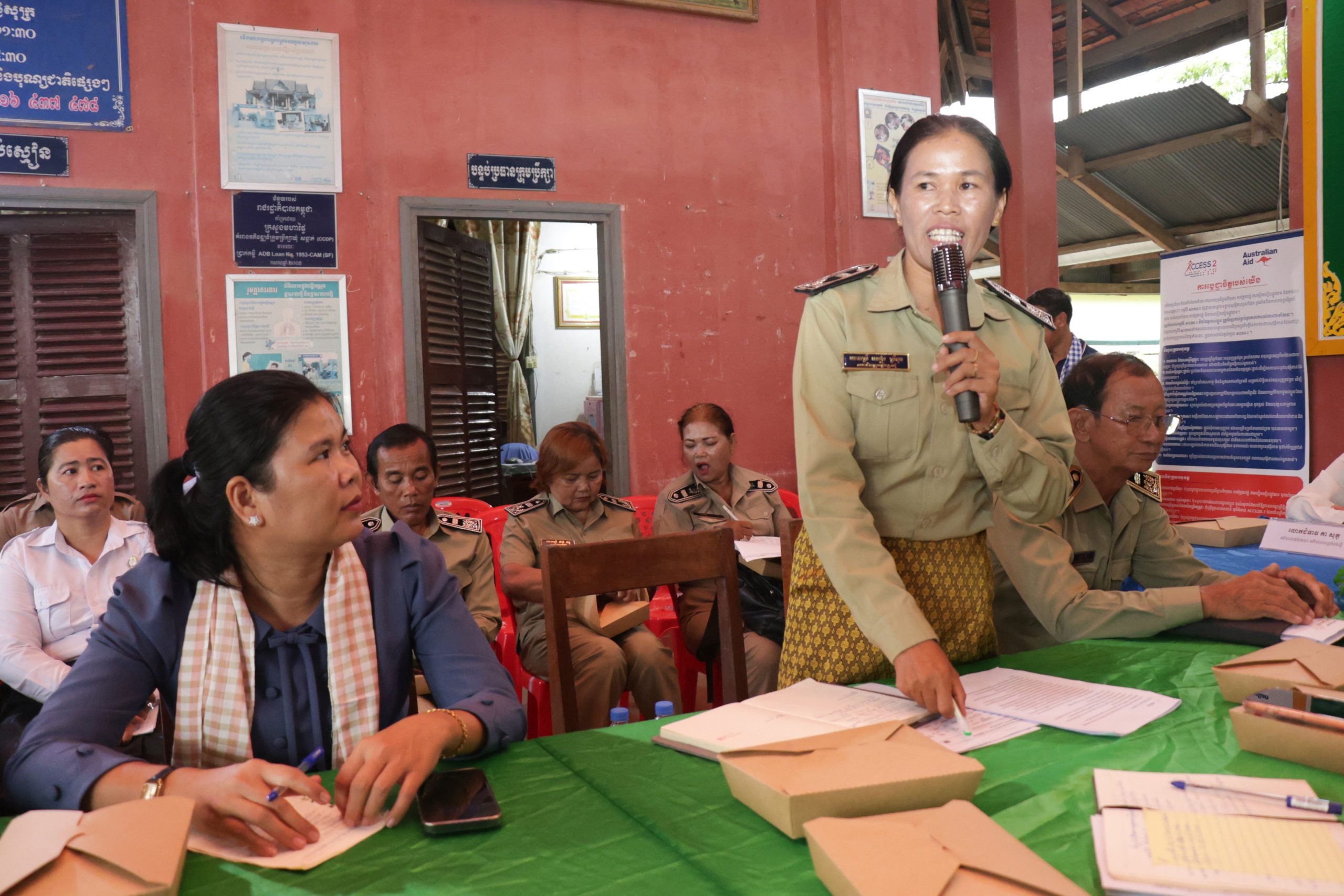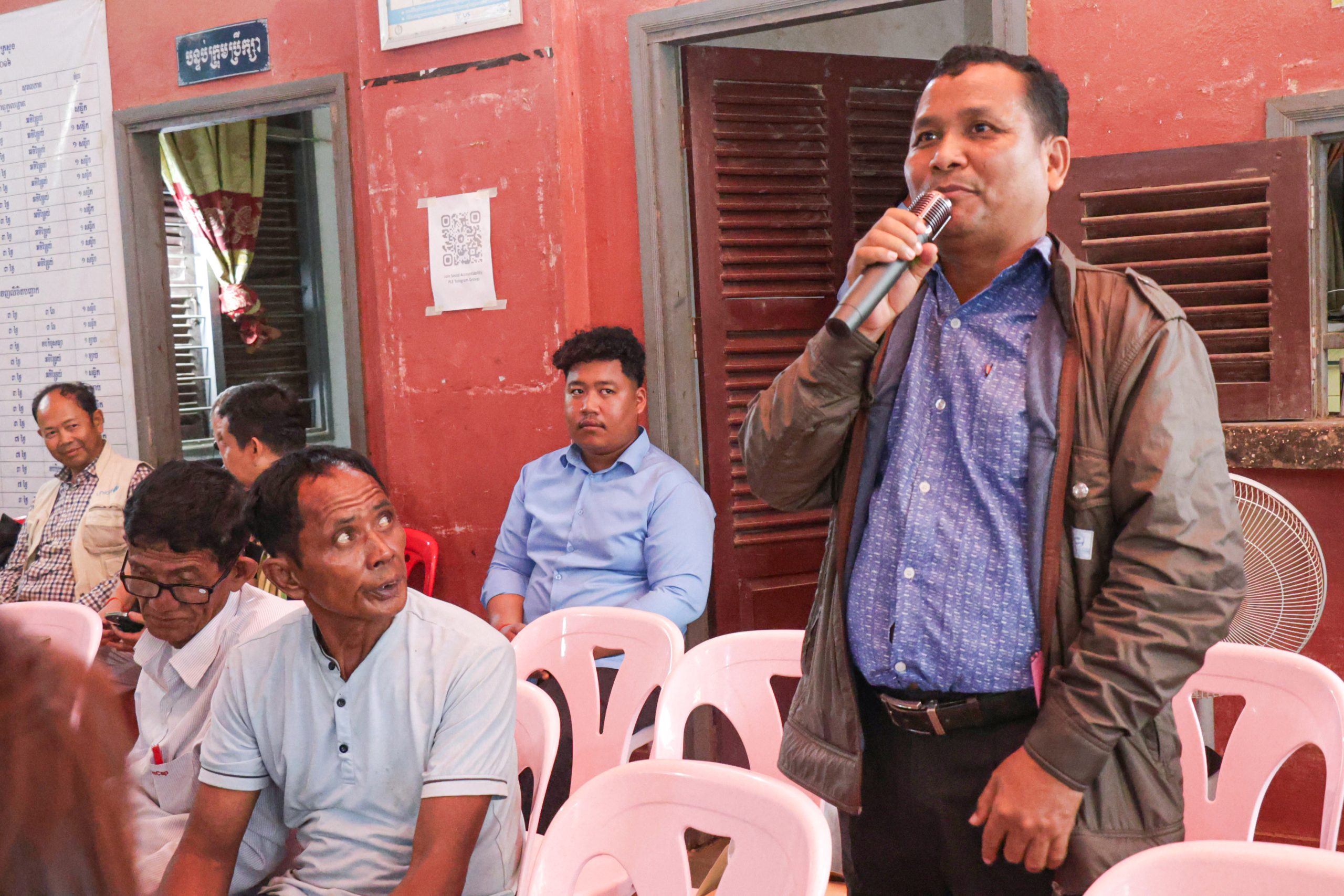
Effective service delivery at the sub-national level is critical to ensuring that national policies and workplans truly serve survivors of gender-based violence (GBV) and persons with disabilities. To observe this service delivery in action through sub-national coordination and local ownership, senior members of the ACCESS 2 Steering Committee (ASC) and the Australian Department of Foreign Affairs and Trade (DFAT) conducted a field visit to Kampong Speu Province on 2 June 2026.
The visit allowed senior leaders to witness true activities and achievements on the ground, but more importantly it provided a vital platform to hear the firsthand challenges faced by communities and service providers. This direct dialogue between strategic decision-makers and sub-national stakeholders offered invaluable insights into the realities of local service delivery for survivors of GBV and persons with disabilities.
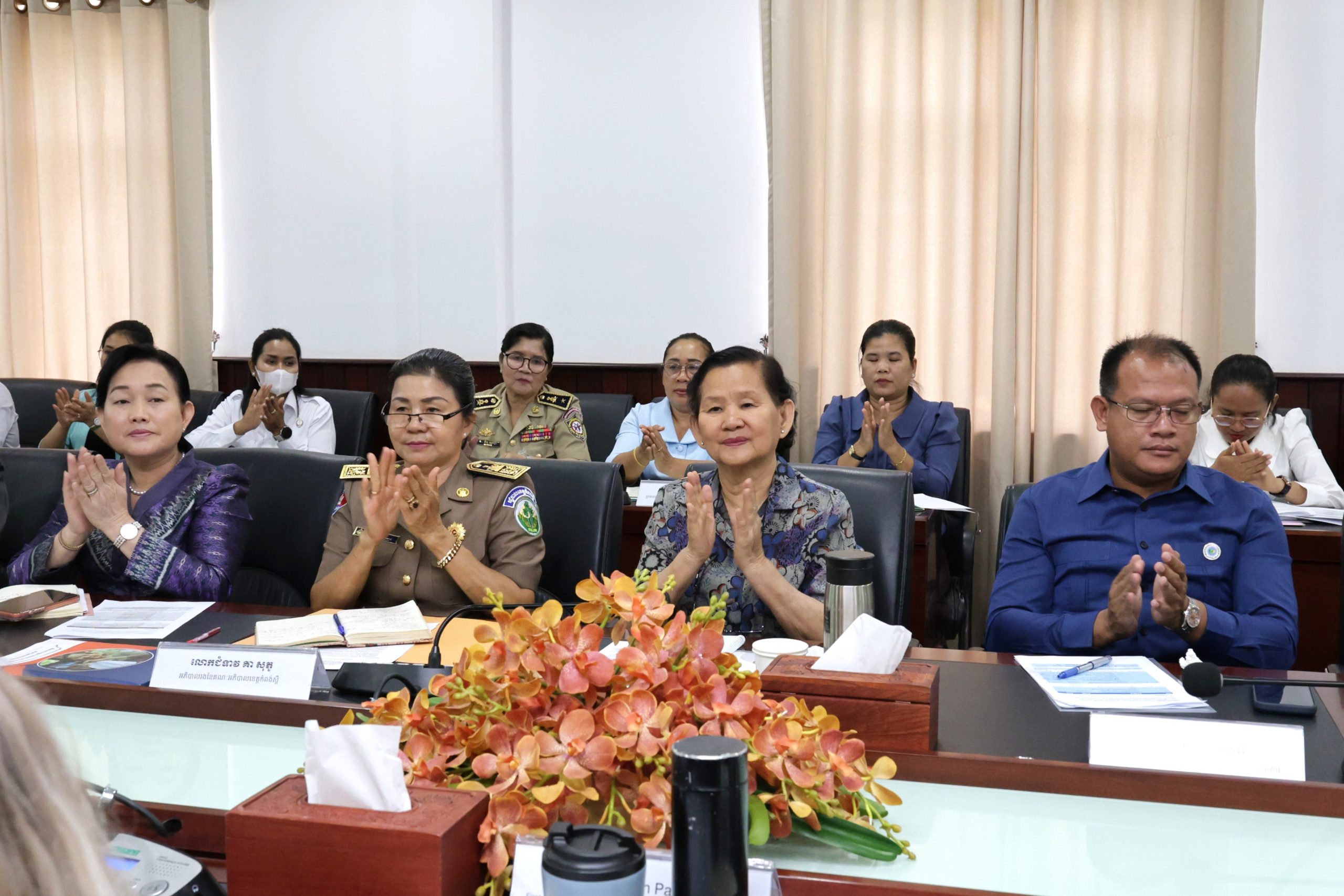
The field visit showcased the tangible achievements and progress of the ACCESS 2 program. The field visit informed perspectives, grassroots challenges, and evolving community needs These perspectives will directly inform and shape further policies, strategies and future action plans.
Ms Tegan Park, First Secretary at the Australian Embassy in Cambodia: Highlighted Australia’s support for local leadership in advancing gender equality, rehabilitation services, and disability inclusion.
She noted that these field insights and dialogueswill serve as foundational pillars for endorsing the future workplans at the upcoming third ASC Meeting.
H.E Kea Sophou, Deputy Provincial Governor of Kampong Speu: Expressed gratitude for the partnership, calling the visit a vivid testament to the strong cooperation between the Cambodia and Australia in promoting gender equality, and social inclusion.
By engaging directly with local authorities and beneficiaries, the ASC reinforced the importance of inclusive, locally driven approaches.
Through the ACCESS 2 program, the Australian Government works in partnership with the Royal Government of Cambodia will continue leveraging these field insights to strengthened coordination, address systemic gaps, and ensure sustainable, inclusive progress for survivors of GBV and persons with disabilities.