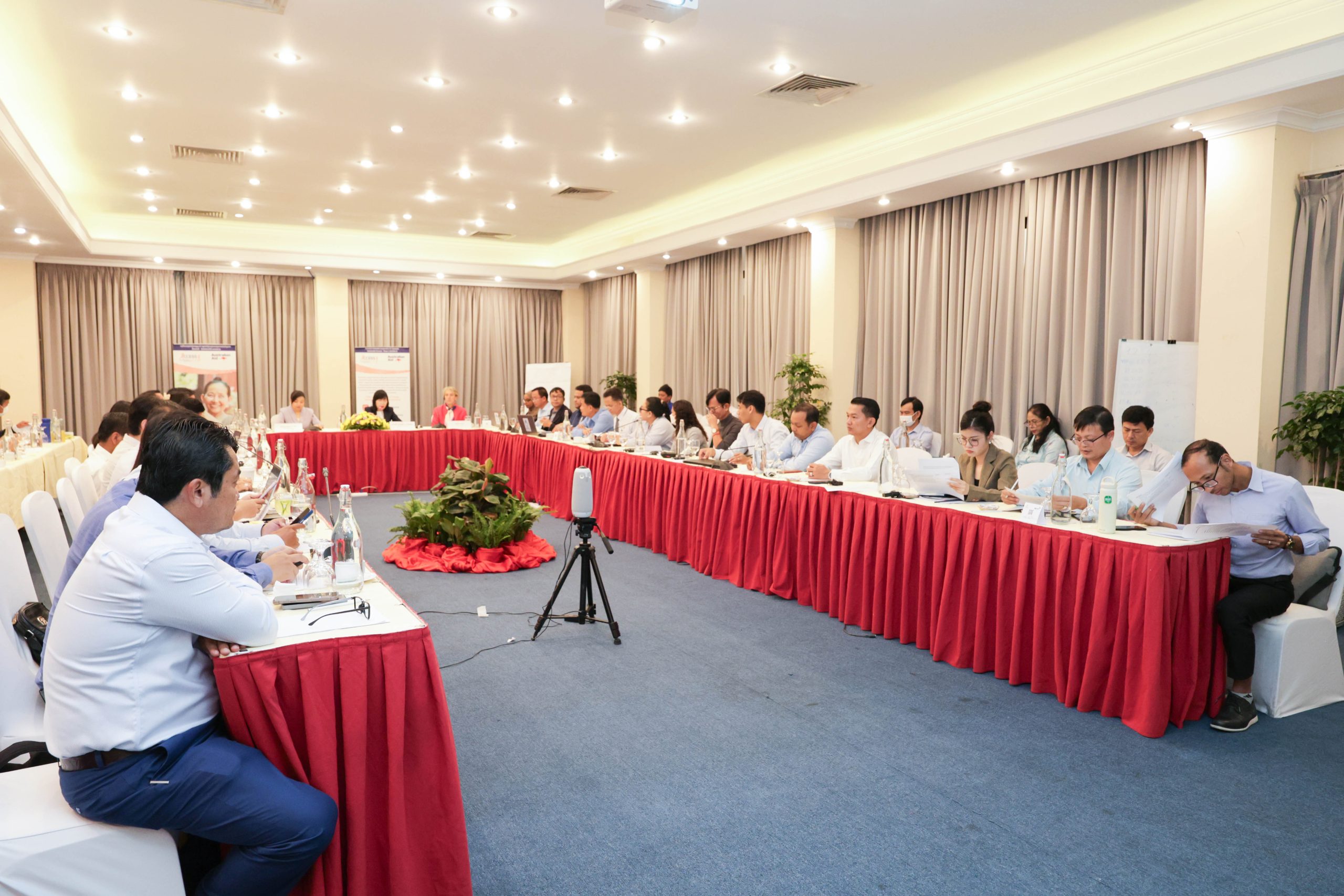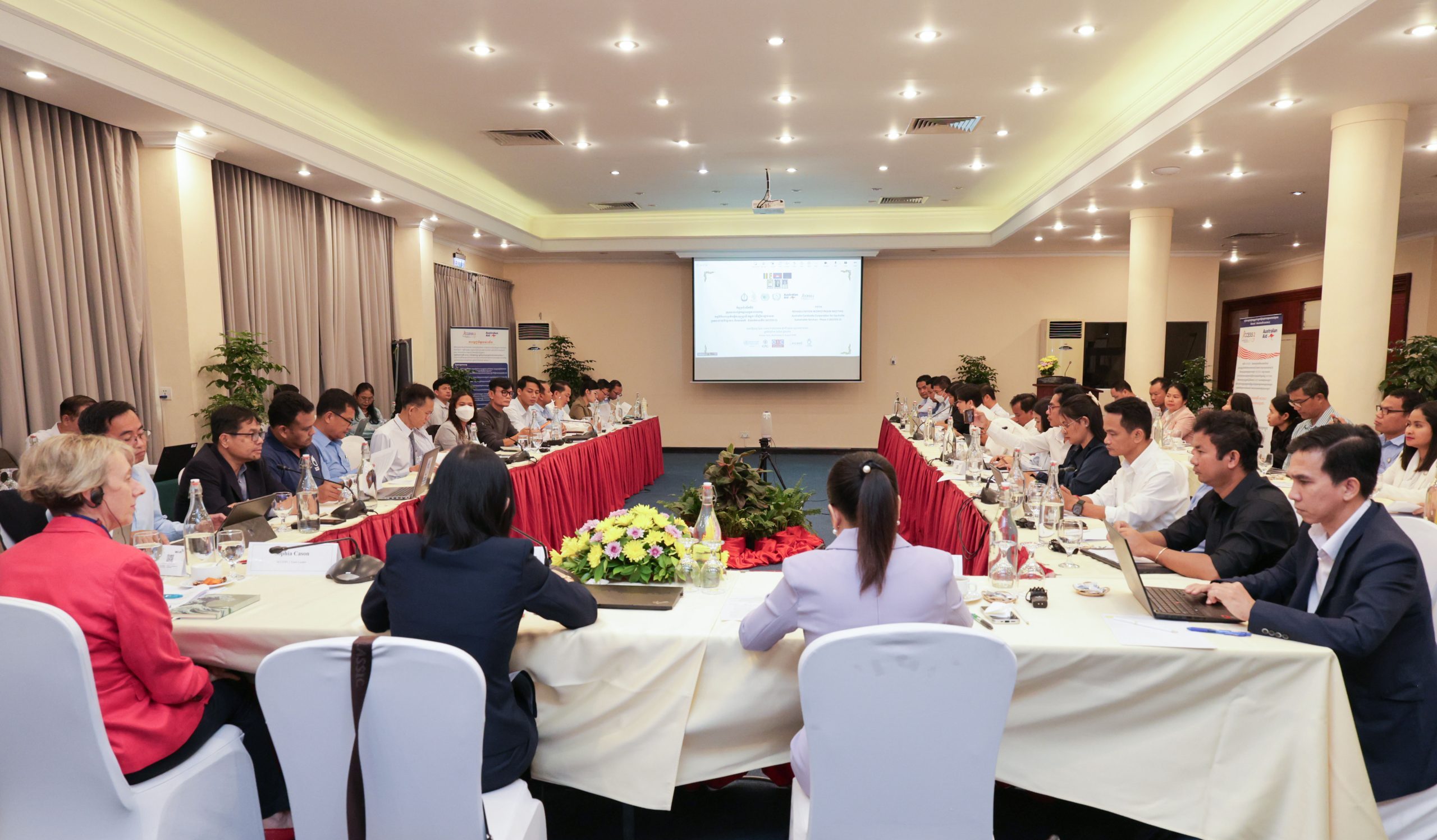
In line with World Health Organization (WHO) principles for Universal Health Coverage (UHC), the Australian Government, through the ACCESS 2 program, is supporting the transformative shift in Cambodia’s rehabilitation work. The program is facing a strategic transition from social welfare-led physical rehabilitation toward gradual strengthening and expanding within the Ministry of Health (MoH) public health system, known as a hospital-based rehabilitation unit (HBRU)[1]. Strengthening rehabilitation services under the MoH framework ensures they are treated as essential, mainstream healthcare components securing institutionalised, long-term care for all Cambodians.
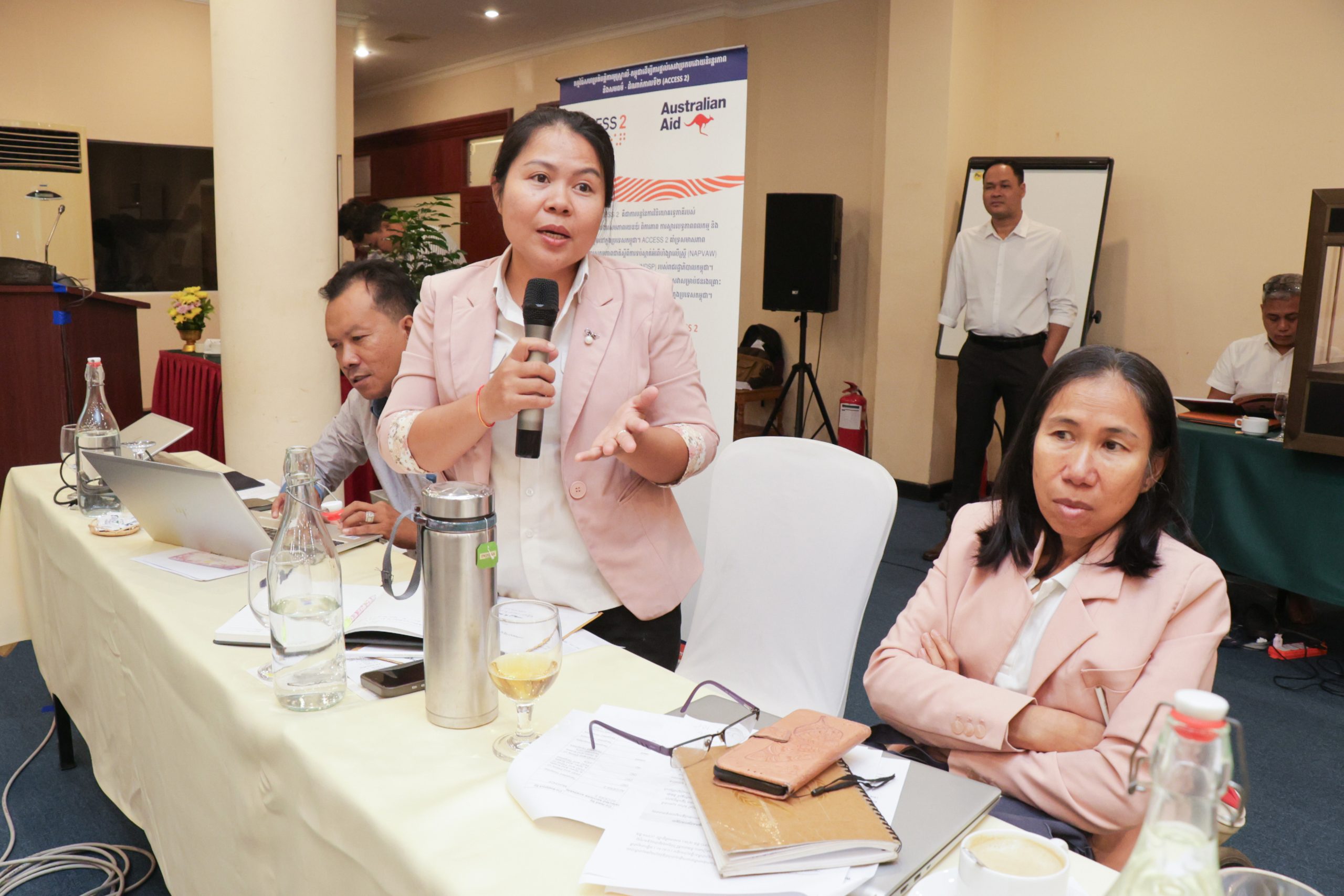
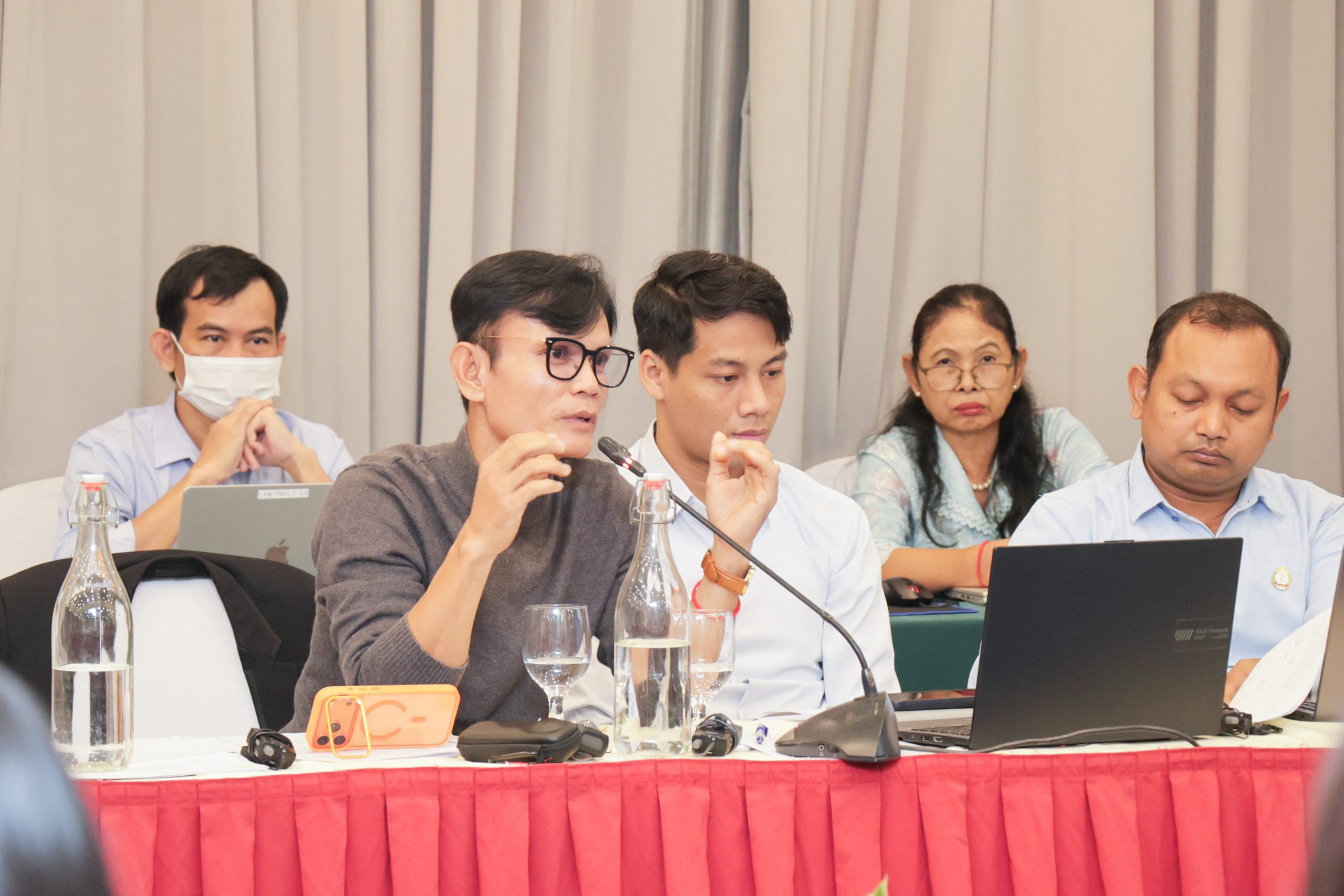
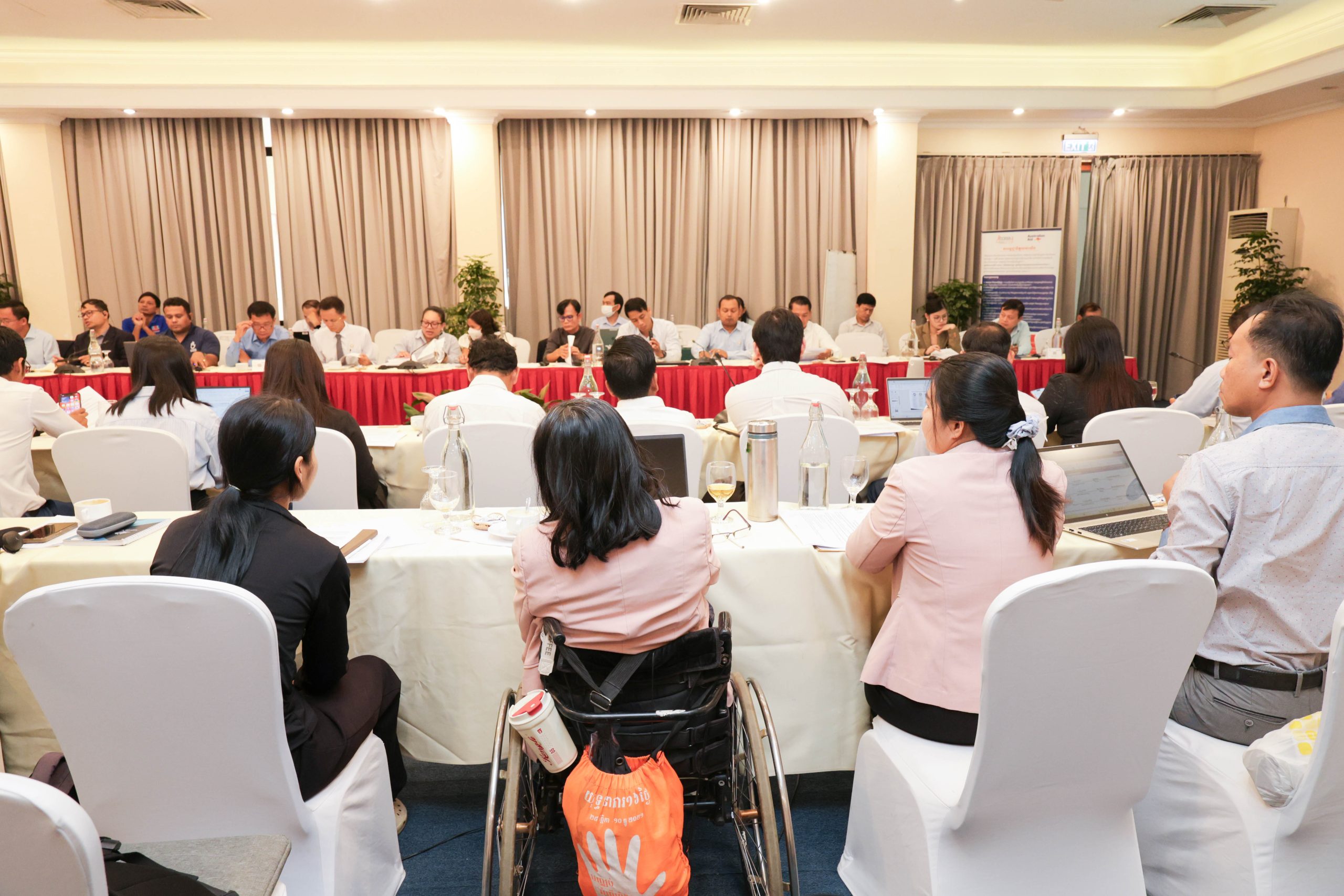
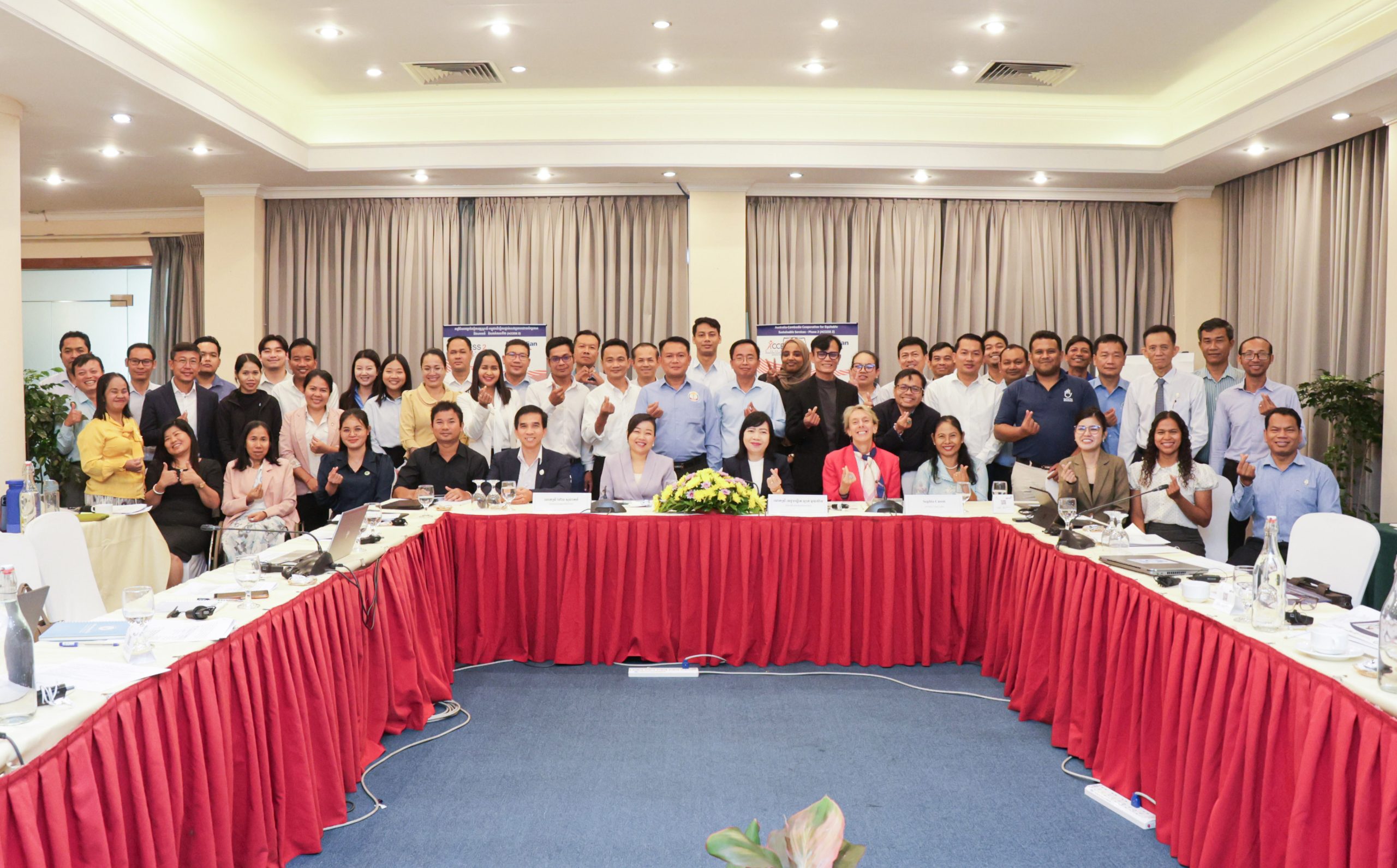
To access progress and align future strategies for this systemic transition, the ACCESS 2 program convened its fifth Rehabilitation Workstream Meeting in Phnom Penh on 12 August 2026. Co-chaired by MoH and DFAT representatives, the meeting served as a critical platform to anchor HBRU firmly within public health care facilities (HCF). Participants reviewed major milestones achieved under the Year 3 Annual Work Plan (July 2025 to June 2026), focusing on embedding physical therapy, speech therapy, prosthetics and orthotics (P&O), , and assistive device provision directly into hospital operations. Discussions centred on building a resilient public health model supported by sustainable financing, human resource development, and robust policy integration.
 The meeting brought together key public health leaders and partners, including representatives from relevant MoH departments, the General Secretariat of the National Social Protection Council (GS-NSPC), the National Social Security Fund (NSSF), target national and provincial hospitals (Kampong Cham, Kampong Speu, Siem Reap, and Ratanakiri), ACCESS 2 rehabilitation Strategic Implementing Partners (SIPs), organisations representing service users, professional associations including the Cambodian Physical Therapy Association (CPTA) and the Cambodian Association of Prosthetists and Orthotists (CAAPO), as well as representatives from DFAT, GIZ, KoFIH, and the ACCESS 2 team.
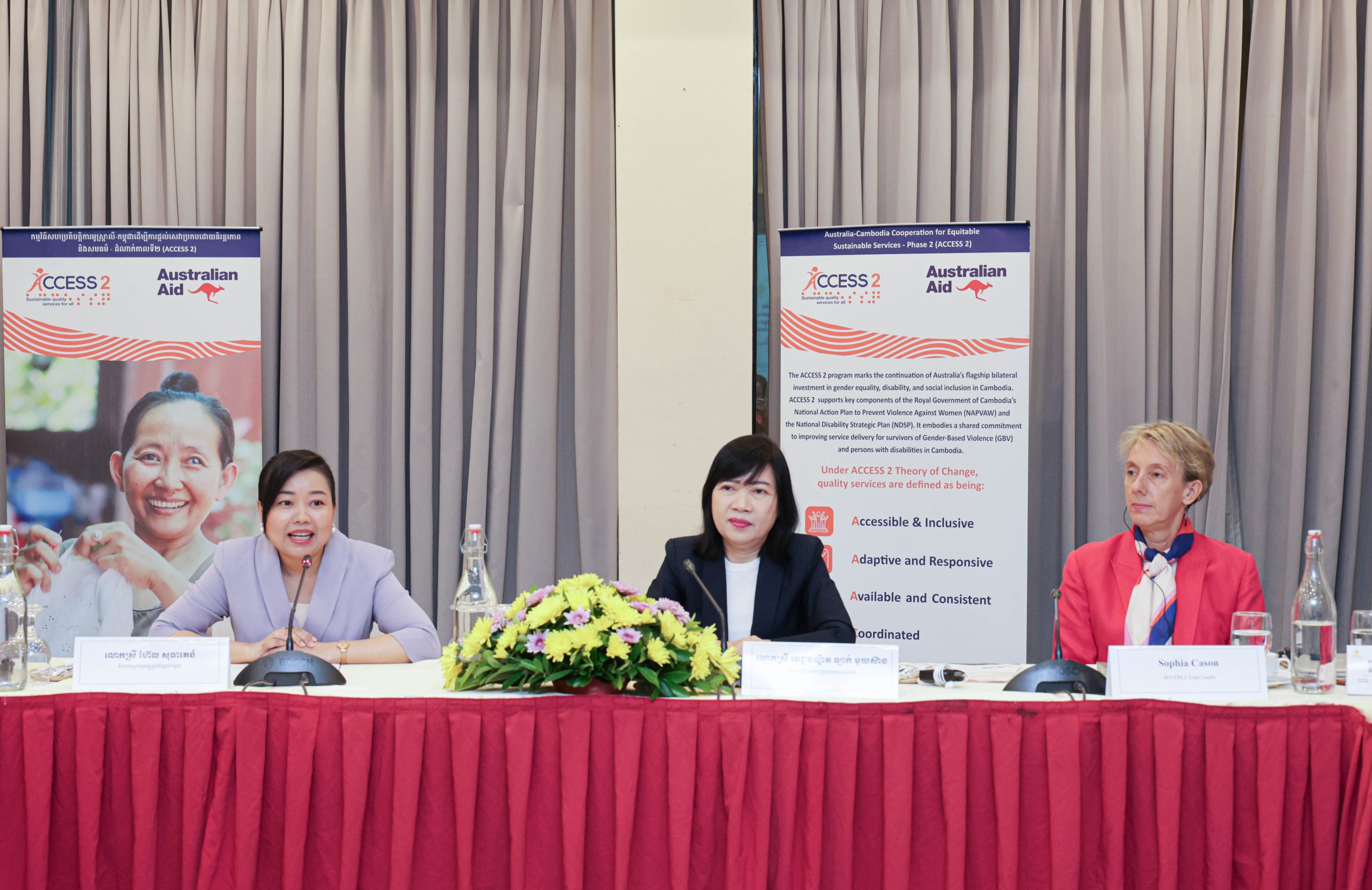
Highlighting Australia’s commitment to system-level sustainability, Ms Sothearoth Hel, Portfolio Leader, Development Cooperation at the Australian Embassy in Phnom Penh, stated:
“Through the ACCESS 2 program and other Australia-supported initiatives, we continue to work in partnership with MoH and relevant stakeholders to strengthen rehabilitation services, support human resource development, improve patient referral systems, and promote sustainable financing mechanisms.”
In her remarks, Dr Lak Muyseang, Acting Director of the Preventive Medicine Department, MoH, expressed appreciation for Australia’s ongoing support:
“On behalf of MoH, I would like to express my profound gratitude to the Australian Government, through the Australian Embassy and the ACCESS 2 program, for its strong support for the development of rehabilitation services and the promotion of health equity for the people of Cambodia and persons with disabilities. I would also like to extend my sincere appreciation to the relevant ministries and SIPs for their close collaboration in strengthening and expanding rehabilitation services within the health sector.”
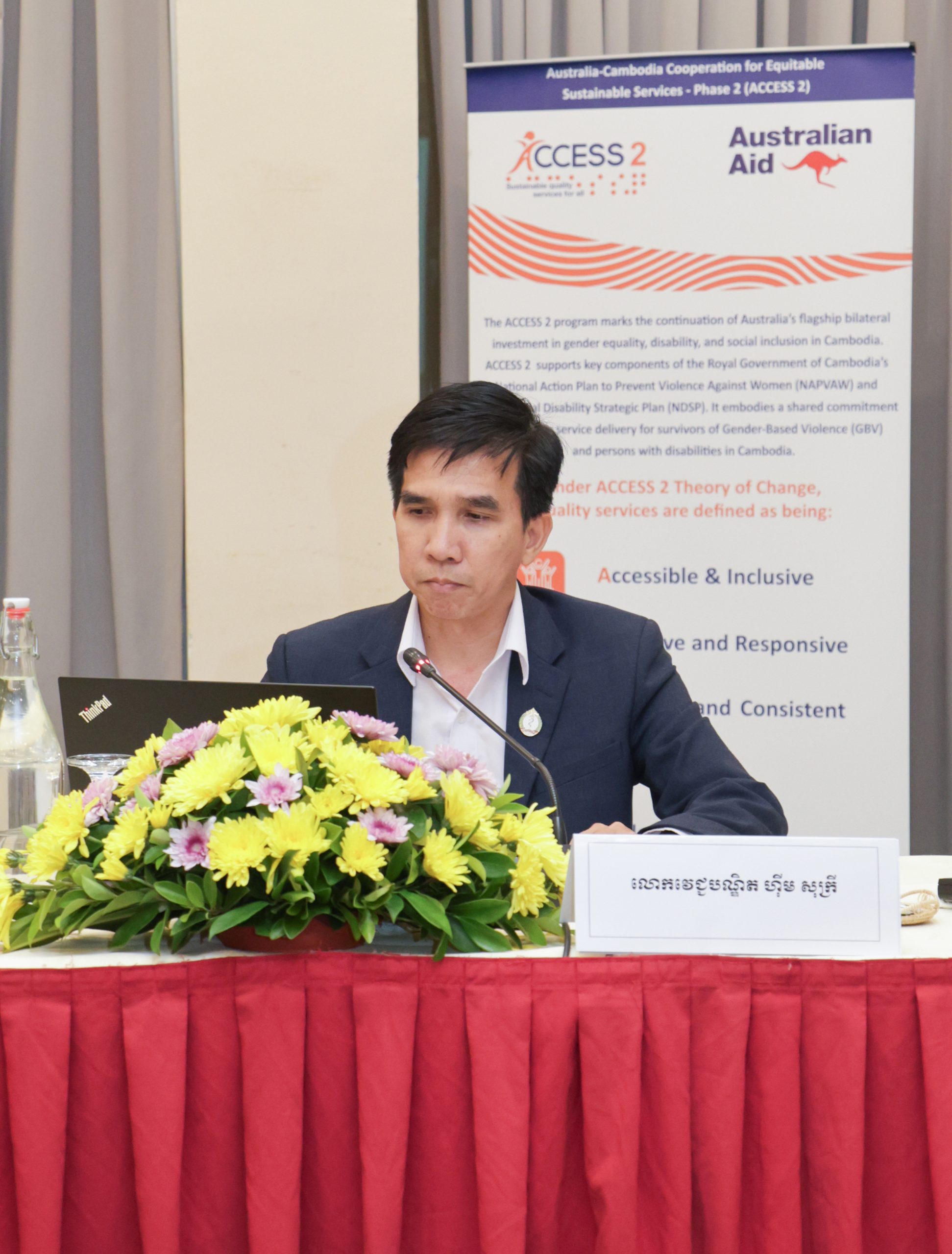
The meeting concluded with remarks from Dr. Him Sokrey, co-chair of the meeting, who summarised the key discussions and recommendations. He also highlighted upcoming activities, including preparations for the ACCESS 2 Steering Committee meeting. Dr. Him Sokrey expressed his sincere appreciation to the Australian Government for its continued support in strengthening rehabilitation services within the health system. He emphasised that this support has contributed to improving the quality, equity, and sustainability of rehabilitation services, ensuring greater access for people who need them and advancing disability inclusion and health equity in Cambodia.
[1] The HBRU include the provision of prosthesis, orthosis, other assistive devices, physical therapy, and speech therapy. However, not all HBRU have these comprehensive rehabilitation services yet.
[1] The HBRU include the provision of prosthesis, orthosis, other assistive devices, physical therapy, and speech therapy. However, not all HBRU have these comprehensive rehabilitation services yet.