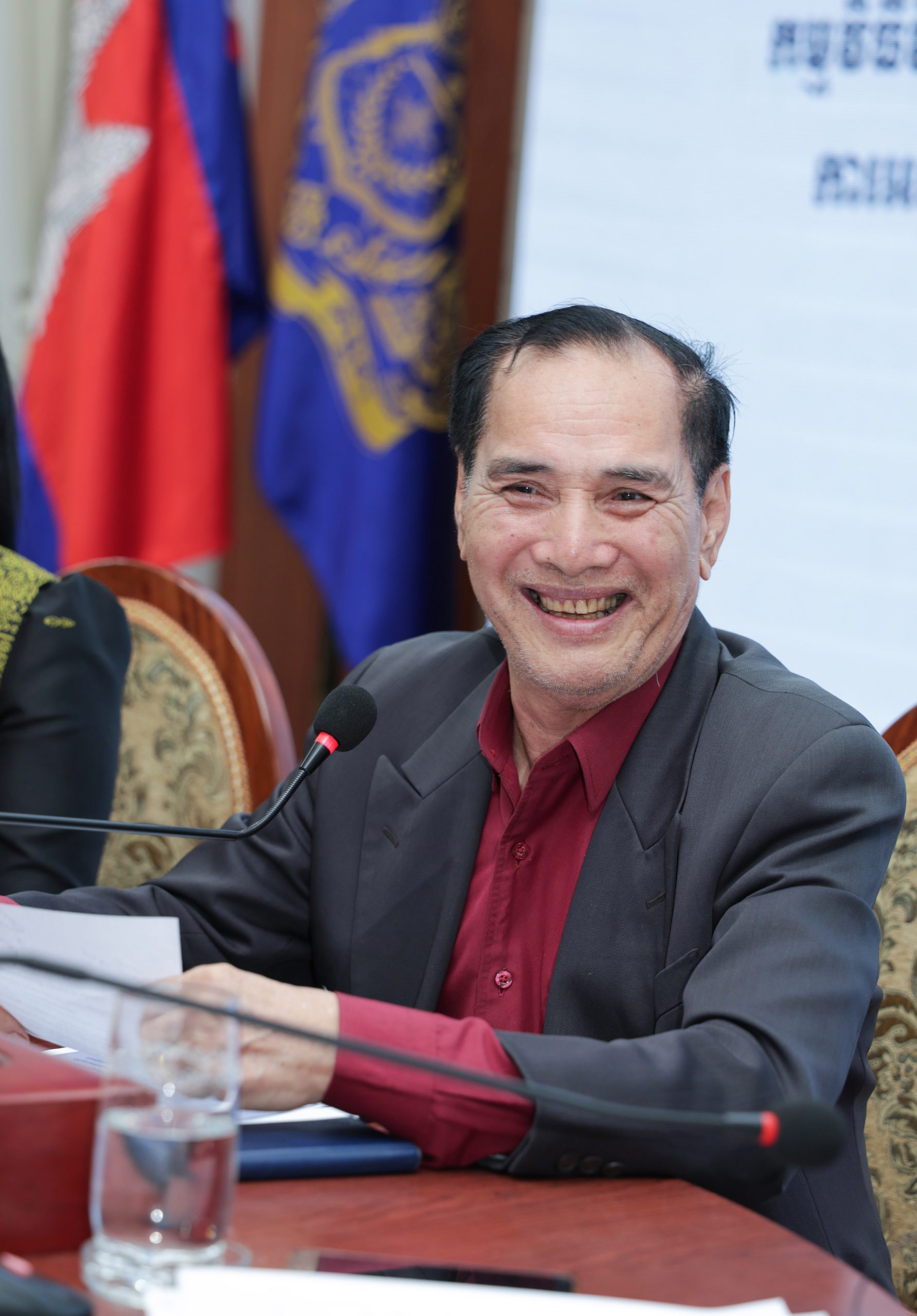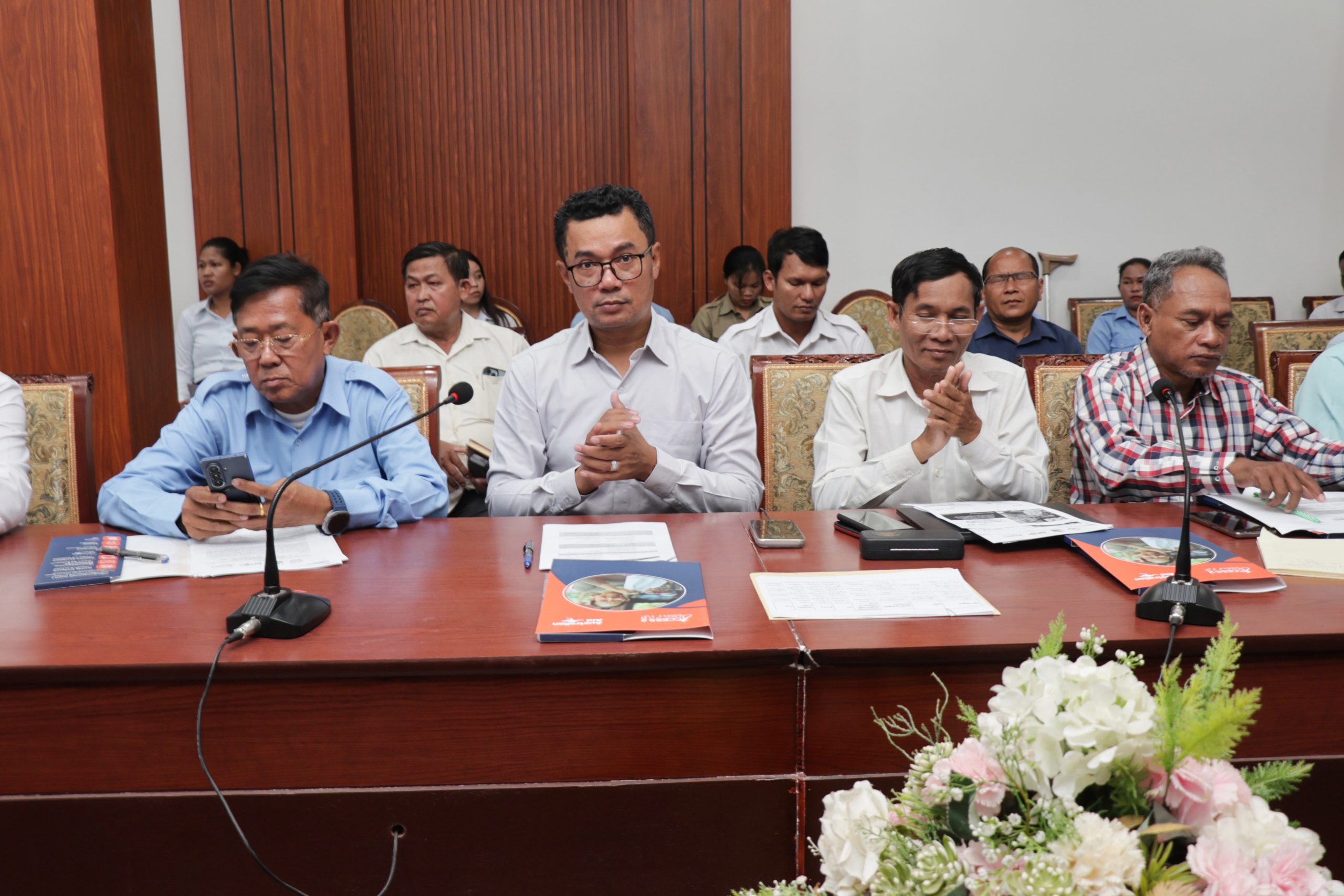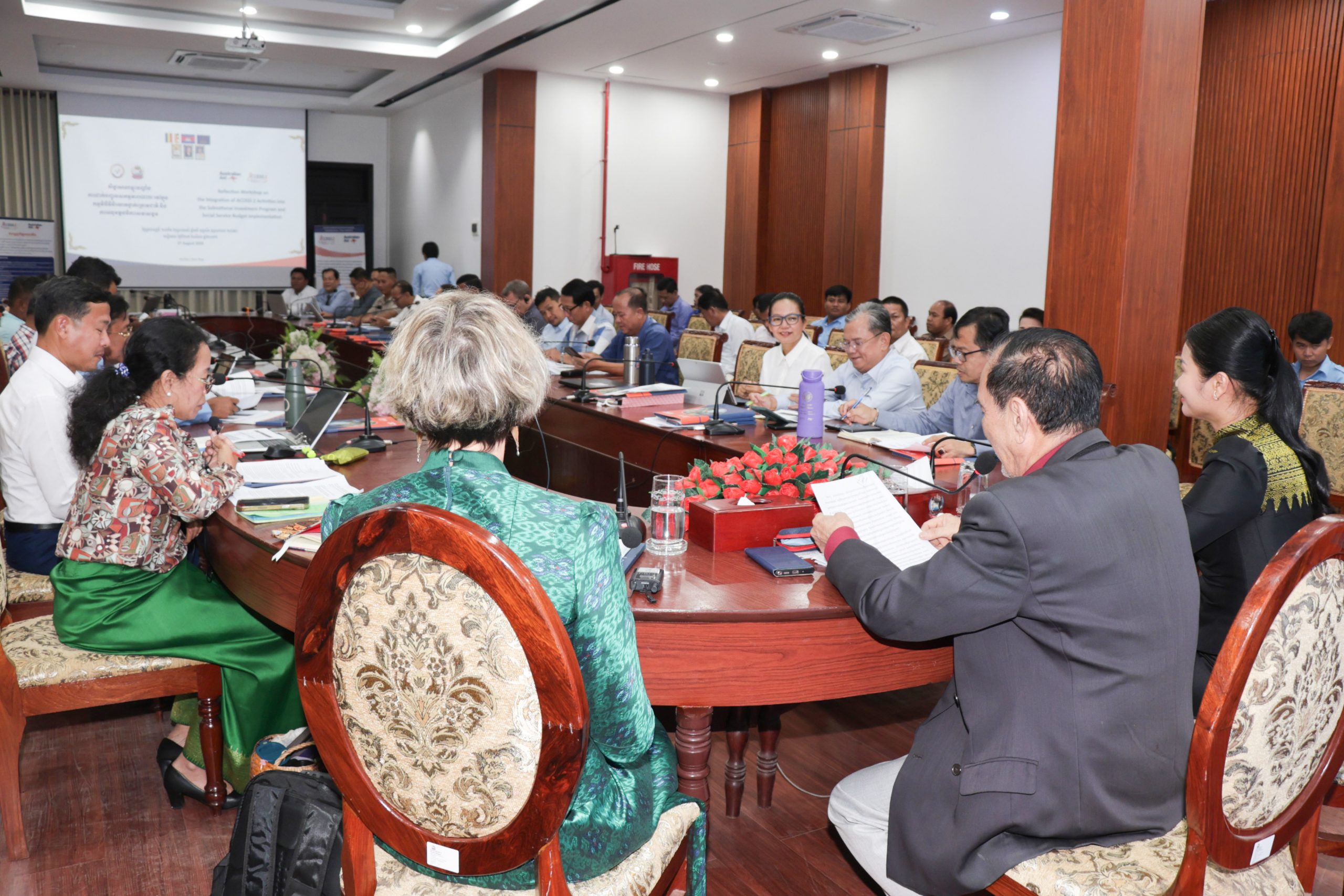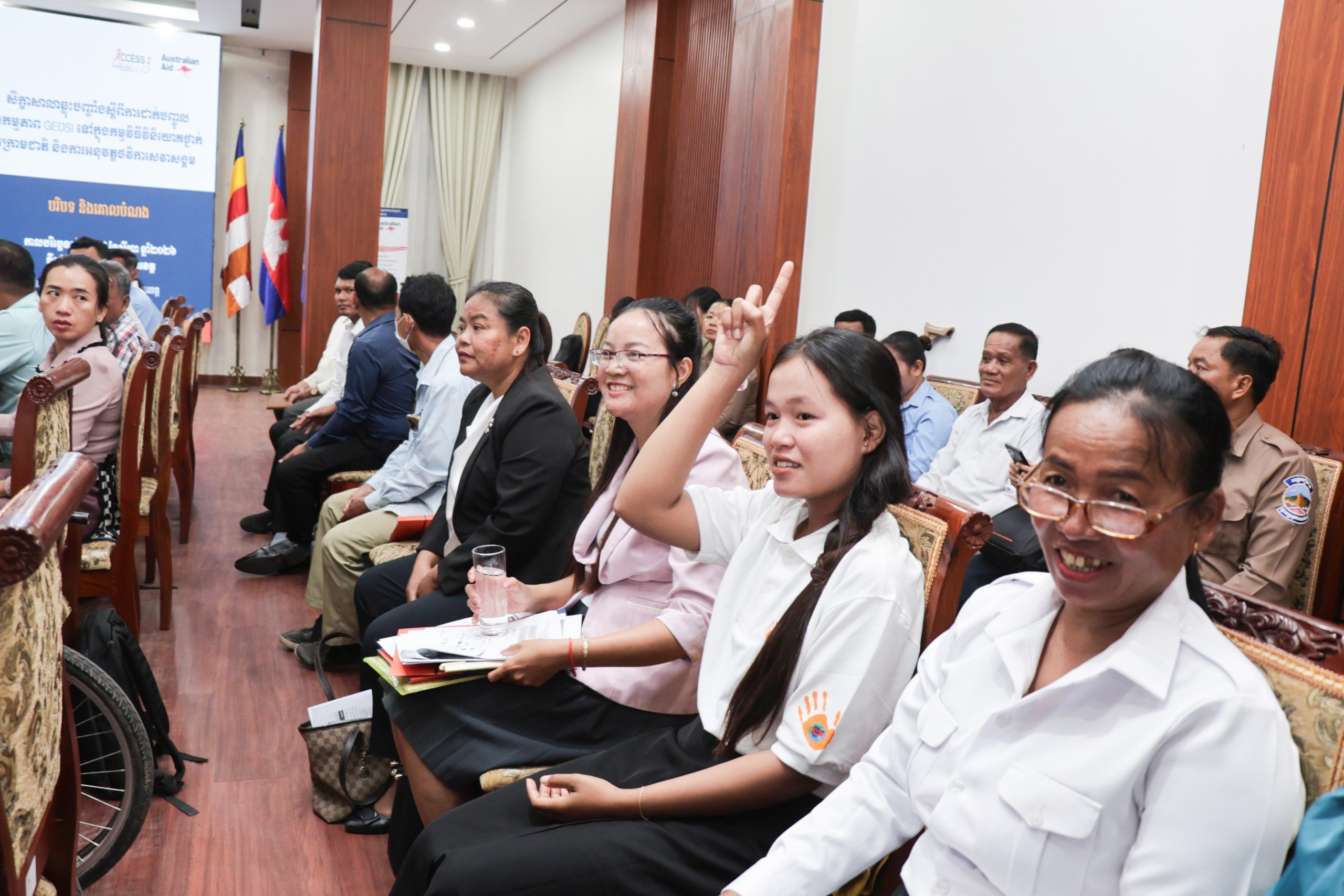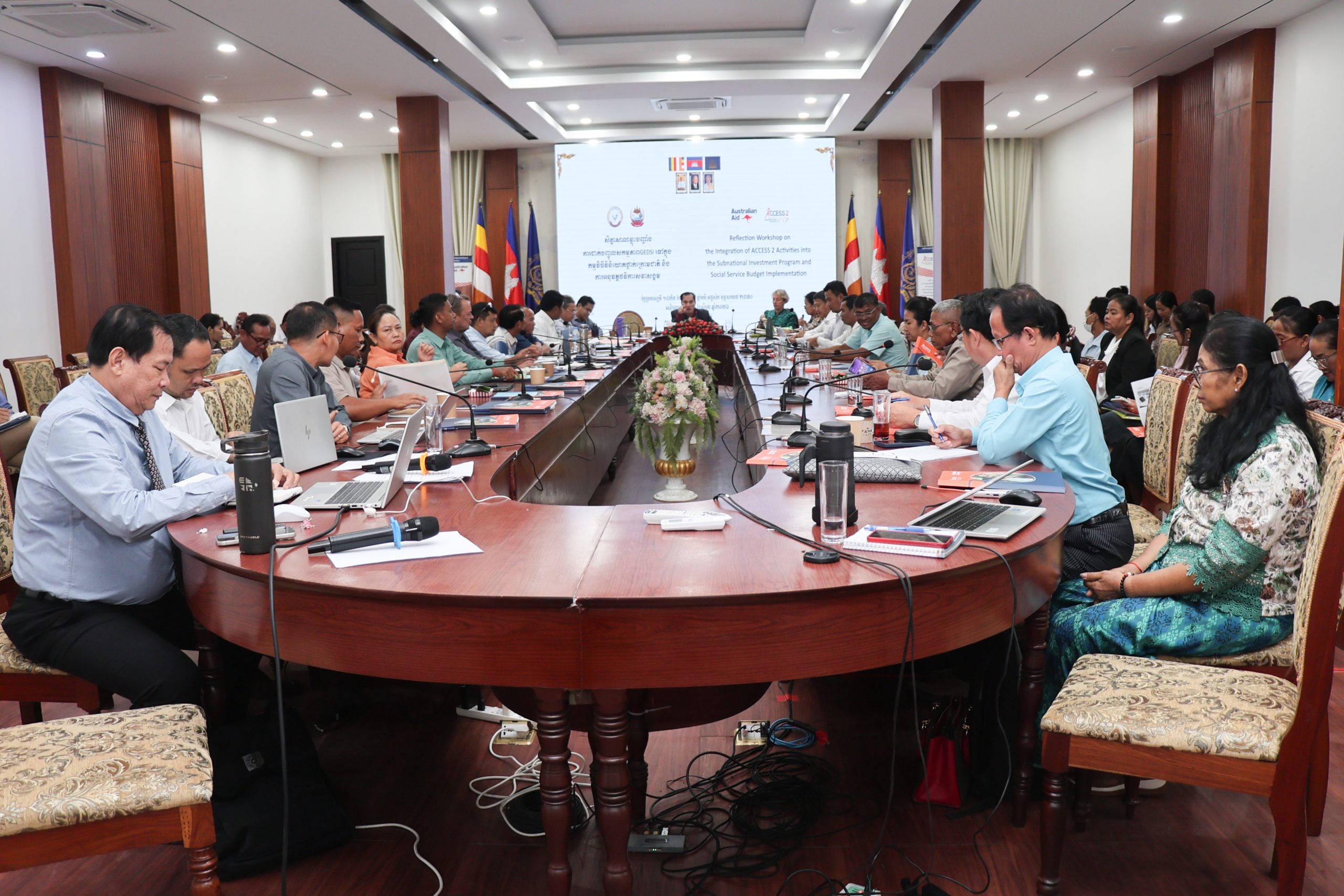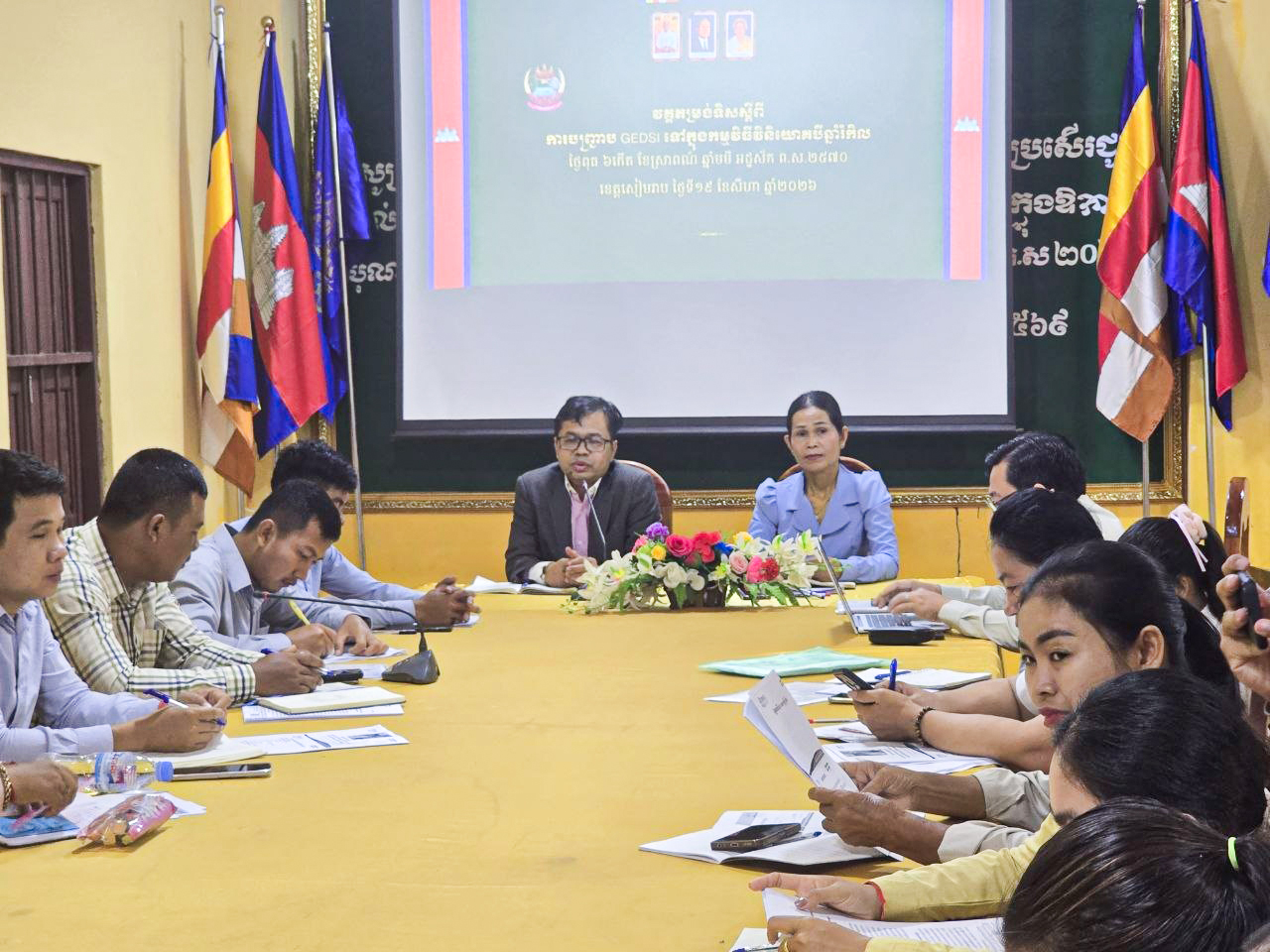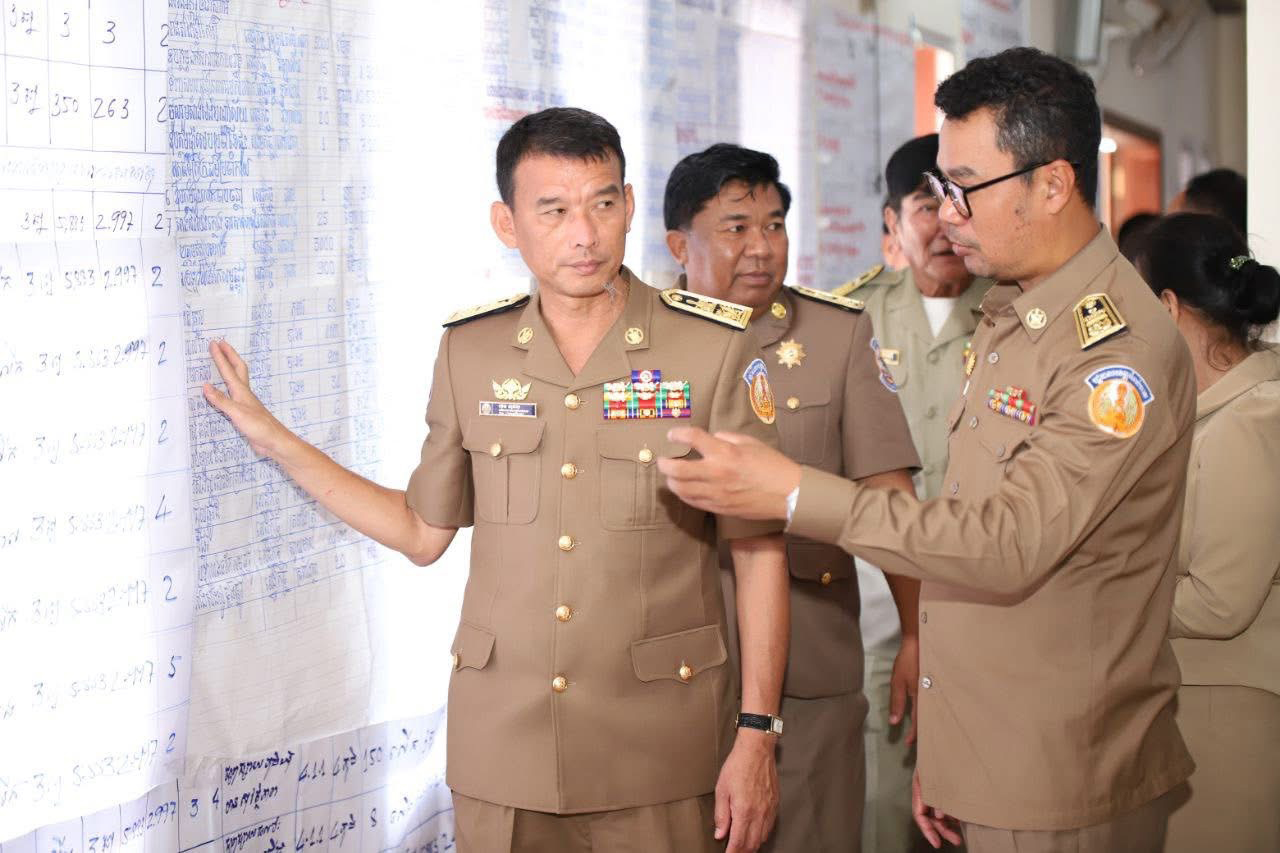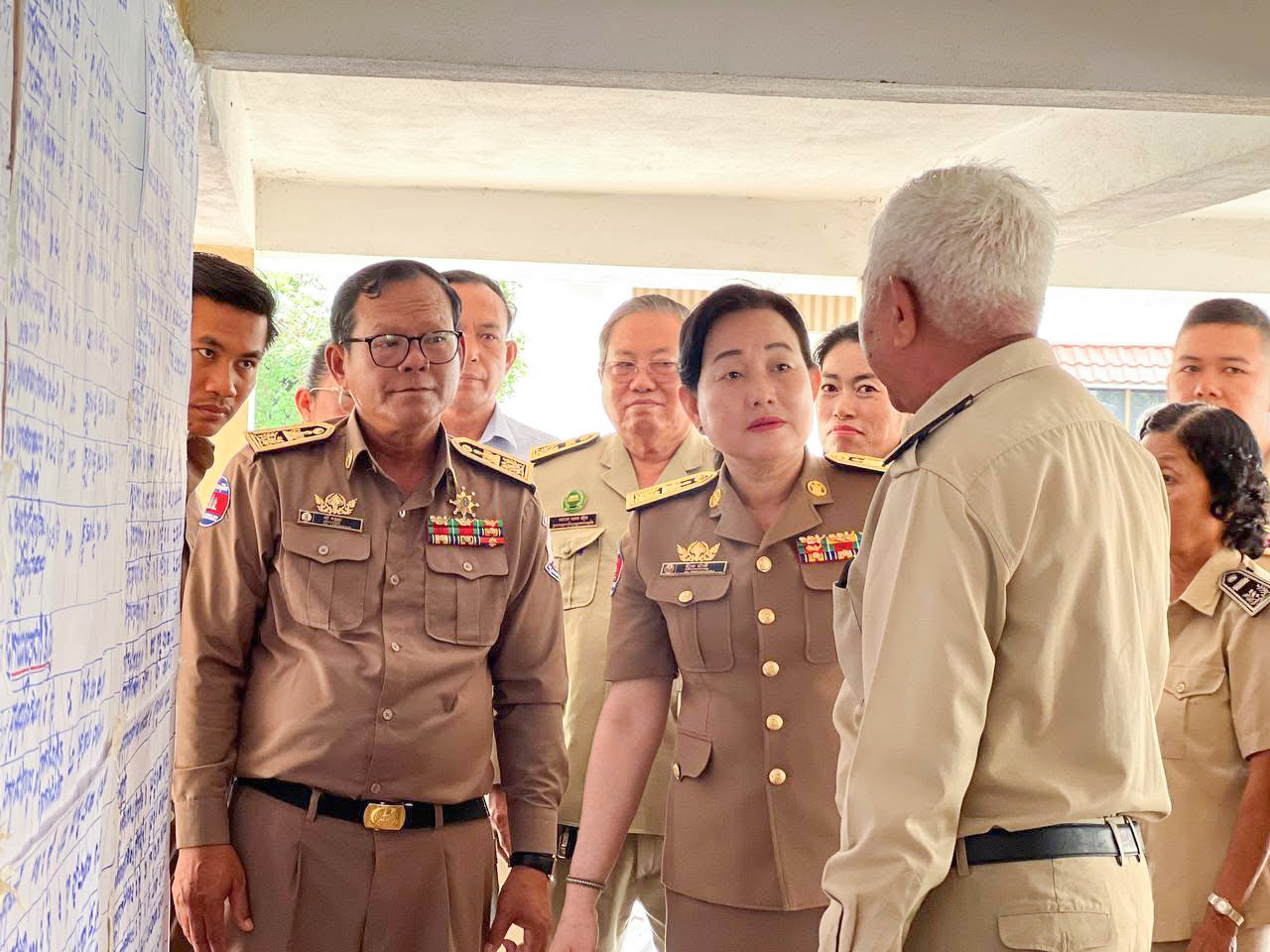
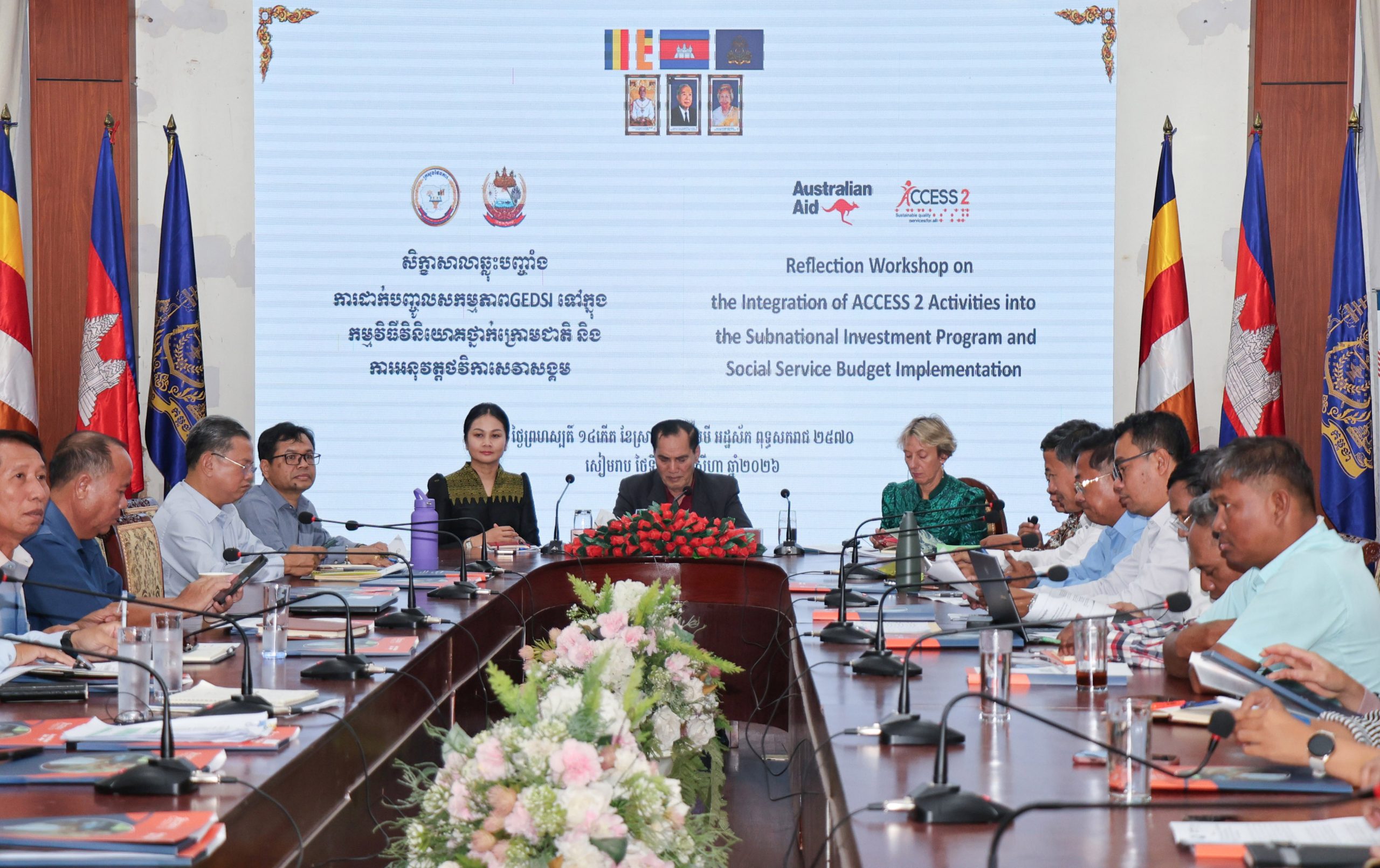
In line with Cambodia’s ongoing Decentralisation and Deconcentration reforms, subnational planning known as a Subnational Investment Program process has become a focal point for driving inclusive socio-economic growth. To evaluate progress and chart a path forward, government representatives from the planning sector, local leaders, NGOs and representatives provincial district and commune levels convened the Reflection Workshop on the Integration of Gender Equality, Disabily, and Social Inclusion (GEDSI) Activities into the Subnational Investment Program and Social Service Budget Implementation on 27 August 2026 in Siem Reap province.
With support from the Australian Government, under the framework of Australia-Cambodia Cooperation for Equitable Sustainable Services Phase 2 (ACCESS 2) program, the workshop brought together more than 50 key stakeholders across four target provinces, Siem Reap, Kampong Cham, Kampong Speu, and Ratanakiri.
 Translating Policy into Action: Progress in Localized Budgeting
For communities to progress social development specifically to GEDSI, it demands dedicated, protected investments in essential social services for survivors of GBV, persons with disabilities and Indigenous people. Subnational budgets must actively support these vulnerable populations.
Through tools like Inter-Ministerial Circular #007 on Social Service Budget Breakdown and the digital Commune/Sangkat Budget Monitoring Application (developed by the Ministry of Interior with support from ACCESS 2 and UNICEF), subnational authorities have made measurable strides:
- Commune Social Service Allocations: Across the target provinces, communes successfully allocated an average of 21% of their social service budgets toward Gender Equality, Disability, and Social Inclusion (GEDSI) initiatives during 2025–2026.
- Partner Co-Funding: ACCESS 2 Strategic Implementing Partners (SIPs) including organisations like LAC, CWCC, TPO, PAfID, and CDPO contributed an average 5% co-funding match directly to local subnational investment plans.
Overcoming Hurdles: Prioritising Social Services Over Hard Sectors
Despite notable breakthroughs, workshop participants candidly discussed ongoing operational hurdles. Local social service budgets face intense competition from physical infrastructure, and environment and sanitation projects. Furthermore, limited technical capacity in utilising the digital budget monitoring app, administrative delays, and a need for greater public participation during planning cycles remain challenges to address.
To bridge these gaps, workshop participants and provincial leadership laid out clear operational priorities:
- Empower subnational Leadership: Ensure the Provincial Department of Planning (PDoP) and the Provincial Planning and Investment Unit (PPIU) operate as a unified force to guide local councils and safeguard social service funds.
- Proactive & Synchronized Planning: Align commune leaders and ACCESS 2 partners early in the annual cycle to avoid duplicate efforts and ensure seamless co-funding.
- Capacity Building & Digital Tools: Provide continuous coaching on GEDSI circulars and expand hands-on training for commune clerks and leaders to regularly utilize the budget tracking app.
Quotes & Key Insights
“Proper planning and budgeting at the subnational level are the absolute foundation of success. Without them, our policy commitments to GEDSI cannot be effectively realized on the ground.” — H.E. Monni Raingsey, Deputy Provincial Governor of Siem Reap.
“To our Provincial Planning Directors: as leading members of the Provincial Coordination Committee, please take full ownership of the ACCESS 2 program cycle, especially during the planning phase. Maximize this golden opportunity to build local capacity and ensure social service co-funding is protected.” — H.E. Hou Taing Eng, Secretary of State, Ministry of Planning.
“Looking at the 2025–2026 results across our four target provinces, Siem Reap, Kampong Cham, Kampong Speu, and Ratanakiri, we have seen inspiring evidence of what local ownership looks like including the increased social service budget allocation by the subnational administration. These increased allocations represent real support: social protection, essential services for women seeking safety, community-based services for persons with disabilities, and stronger local capacity to handle social service needs.” — Sophia Cason, Team Leader, ACCESS 2.
Looking Ahead: Next Steps for Target Provinces
As the workshop concluded, participants committed to immediate follow-up actions across Siem Reap, Kampong Cham, Kampong Speu, and Ratanakiri. Over the coming months, target provinces will focus on swiftly integrating workshop recommendations into three-year rolling Subnational Investment Programs (PIP, DIP, and CIP), well-preparing upcoming District Integration Workshops (DIW), and securing formal approval for execution. Through sustained multi-stakeholder collaboration, the vision of an equitable, inclusive Cambodia continues to move forward.