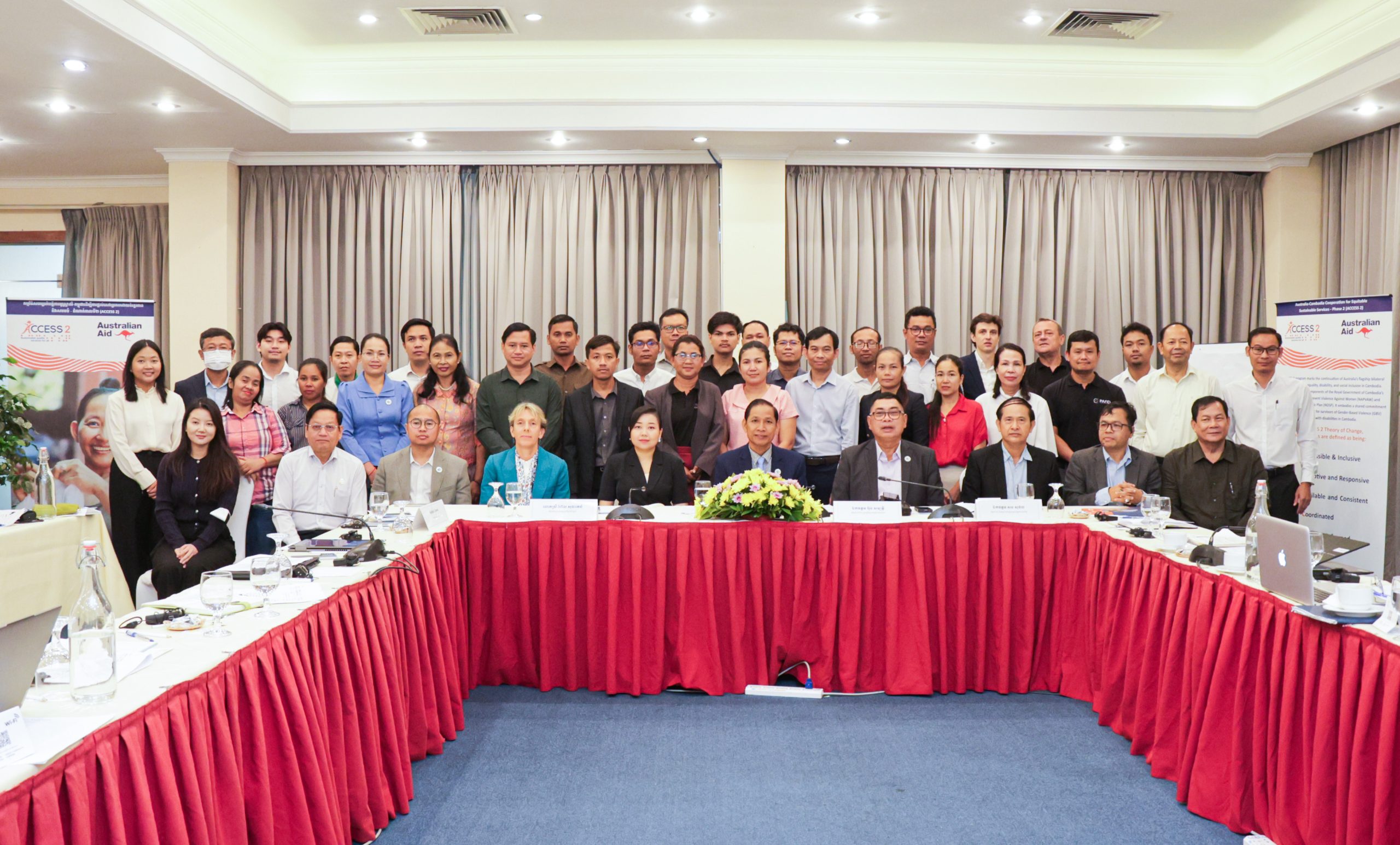
Through the ACCESS 2 program, the Australian Government continues to support the Royal Government of Cambodia’s strategic leadership in advancing disability inclusion nationwide. As ACCESS 2 enters its fourth year, the initiative is accelerating its focus on long-term sustainability, transitioning from program level activities to embedding robust systems directly within national and sub-national governance.
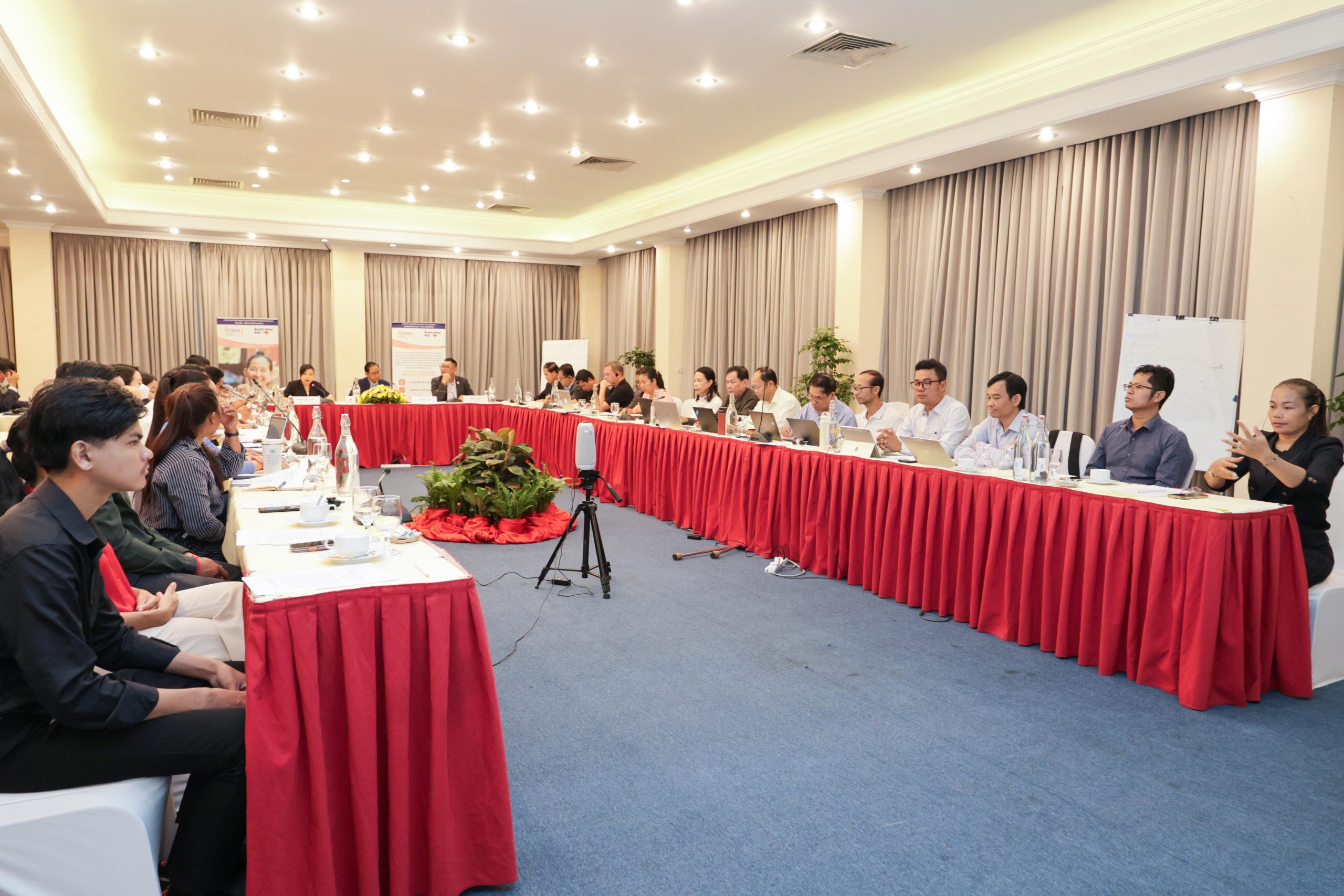
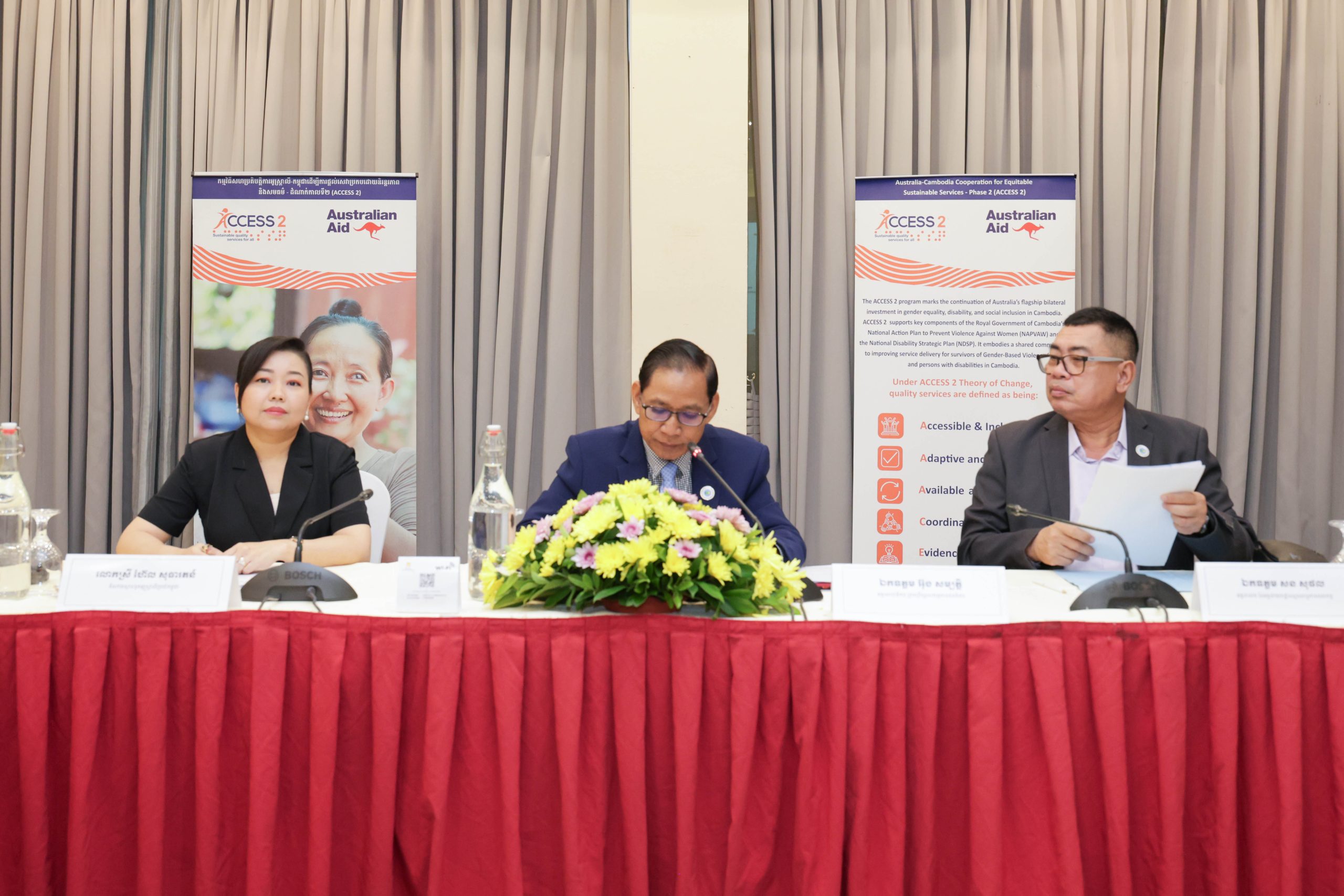
To review progress of Year 3 achievements and shape the strategic direction for Year 4, the ACCESS 2 Disability Inclusion (DI) Workstream Meeting convened in Phnom Penh on 11 August 2026. The meeting was chaired by H.E. Ung Sambath, Secretary General of the Disability Action Council Secretariat General (DAC-SG), underscoring the strong national ownership driving the agenda.
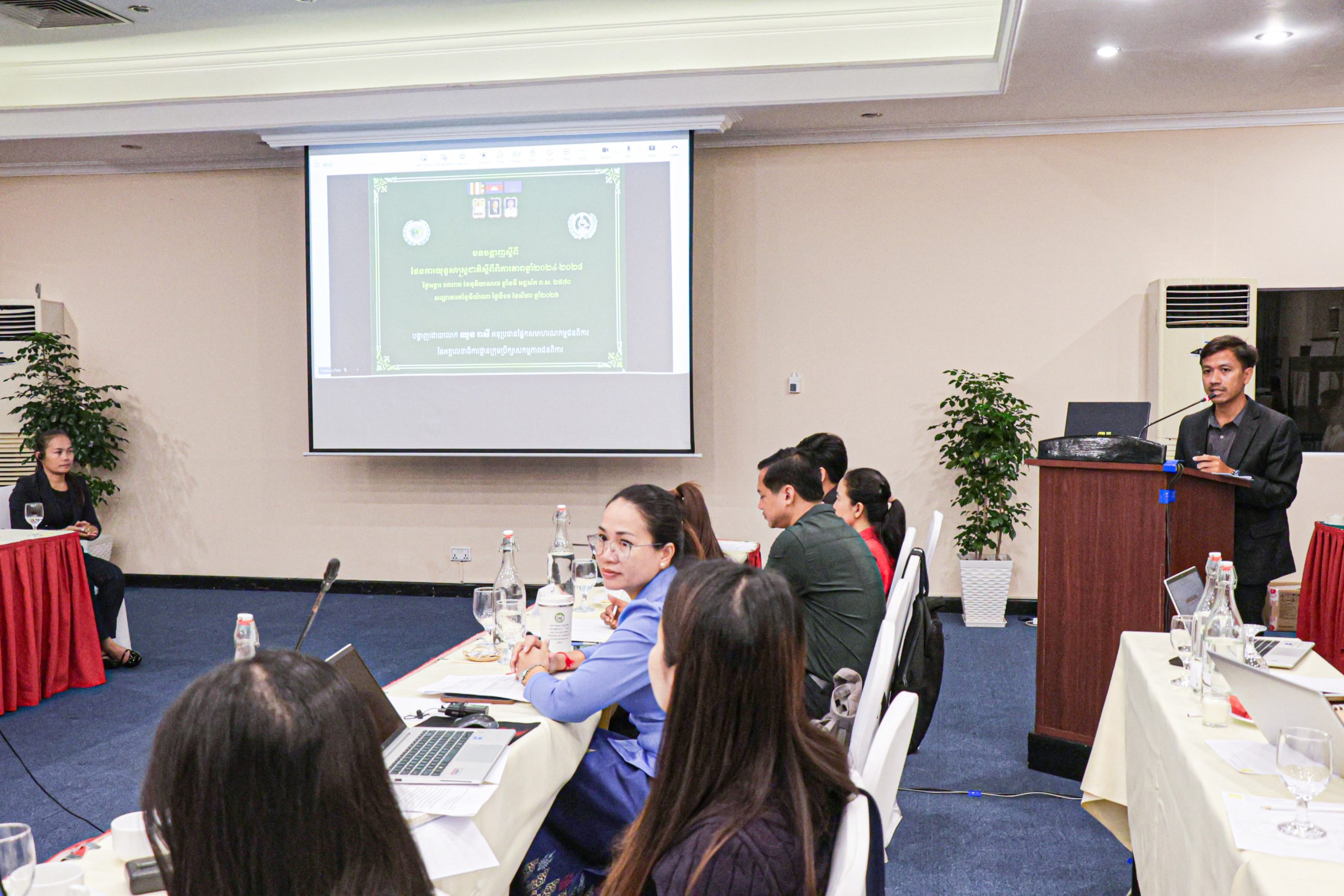
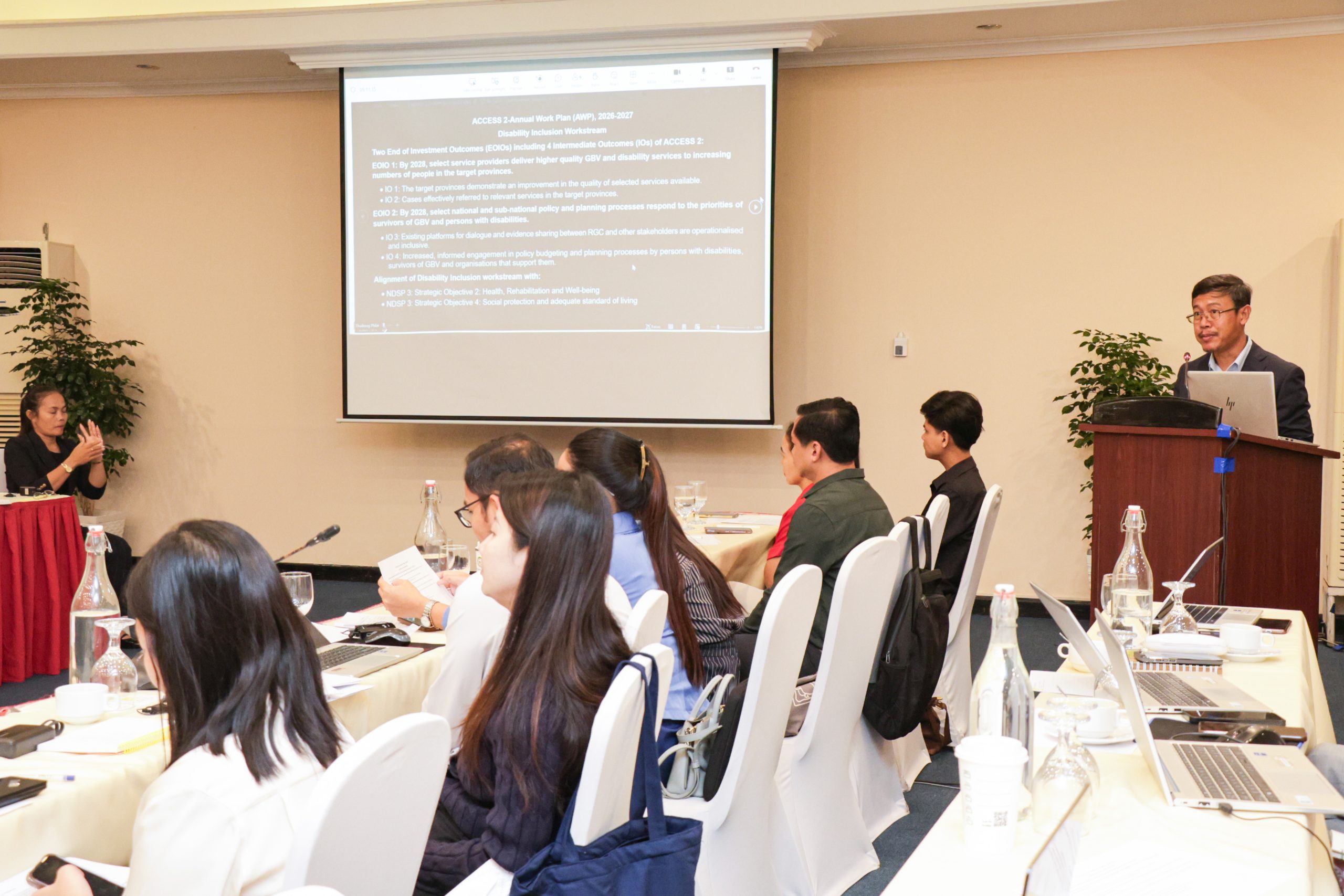
 Participants reviewed progress under the Year 3 Annual Work Plan (July 2025 -June 2026), reflecting on key lesson learned and addressing implementation challenges to refine future strategies. Central to the discussion was the alignment of workstream activities with the to the forthcoming Policy and Strategic Plan for Disability Health Equity and Rehabilitation in the Health Sector (2026–2035) and the National Disability Strategic Plan 3 (NDSP3). These national frameworks serve as the foundation for institutionalising inclusive service delivery and lasting policy impact.
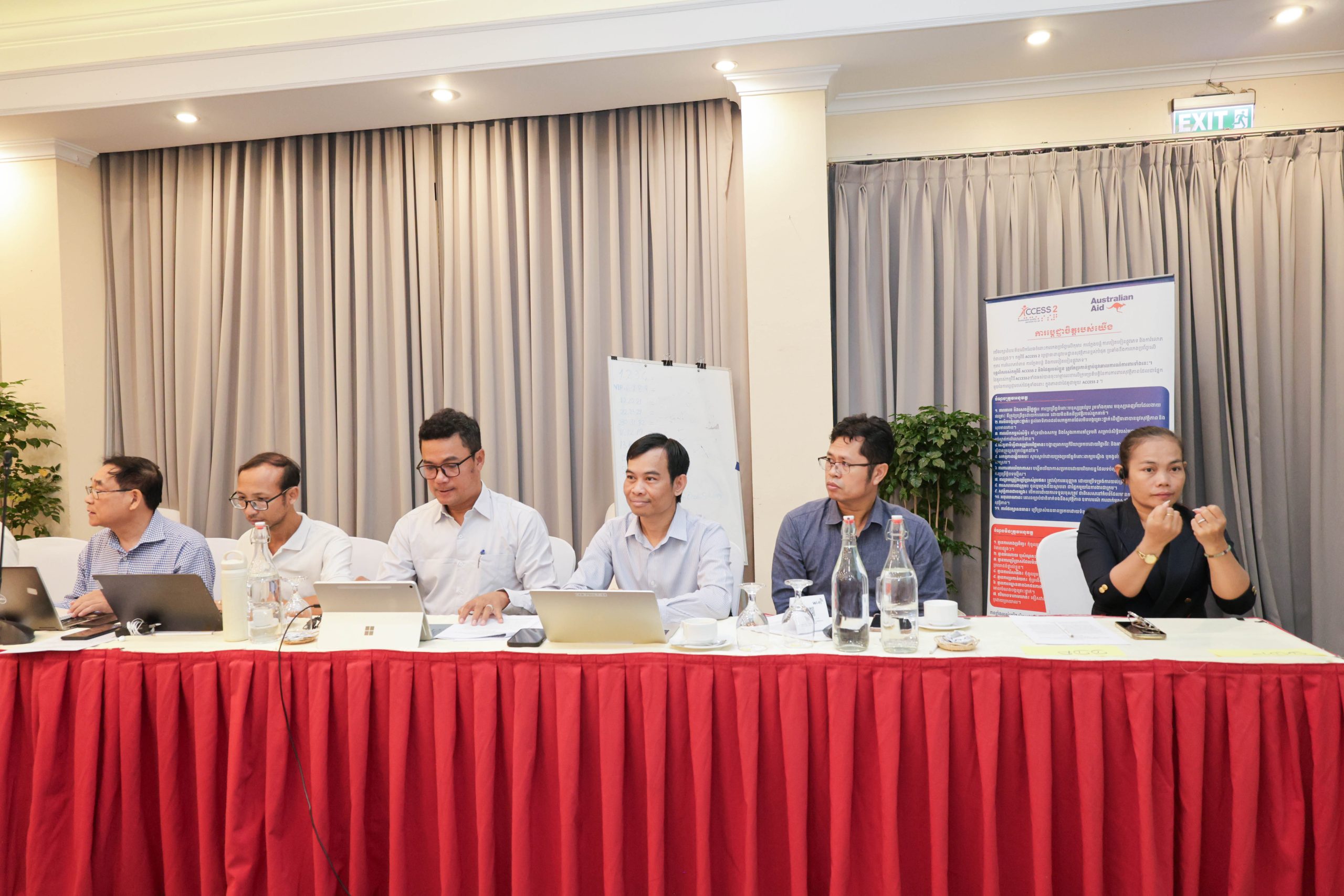
The meeting convened key actors across government, civil society, and development partner, including national and sub-national government authorities, Strategic Implementing Partners (SIPs), the Australian Department of Foreign Affairs and Trade (DFAT), and the Deaf Development Program (DDP). Representatives shared technical updates on scaling the Disability Identification Program and advancing innovation, sub-national mechanisms. Key priorities for Year 4 include:
Digital Inclusive Budget: Embedding disability-inclusive planning and budgeting mechanisms into regular commune/Sangkat administration processes.
Tailored Inclusion Initiatives: Expanding targeted social protection models, such as the Family Package initiative for Indigenous persons with disabilities, and
Local Accessibility & Social Services: Expanding participatory accessibility audits at the local level and enhancing direct access to social protection.
Speaking during the meeting, H.E. Ung Sambath, Secretary General of DAC-SG, emphasised the critical shift from policy creation to sustainable, locally driven implementation:
“On behalf of the Secretariat General of the Disability Action Council, and with the partnership and participation of all relevant stakeholders, including OPDs, we will continue working to transform existing legal and policy frameworks into concrete actions. This includes improving the quality of services, ensuring access to essential support services, and strengthening the meaningful participation of OPDs in policy development and implementation.”
Reaffirming Australia’s ongoing commitment, Ms Sothearoth Hel, Portfolio Leader for Development Cooperation at the Australian Embassy, highlighted the importance of strengthening local organisations:
“As the ACCESS 2 program enters its fourth year, Australia remains committed to supporting Cambodia’s efforts to advance disability inclusion, strengthen OPDs, and improve access to essential services, including social protection and healthcare. We will continue supporting the participation of persons with disabilities in policy development and decision-making processes that affect their lives, ensuring that no one is left behind.”
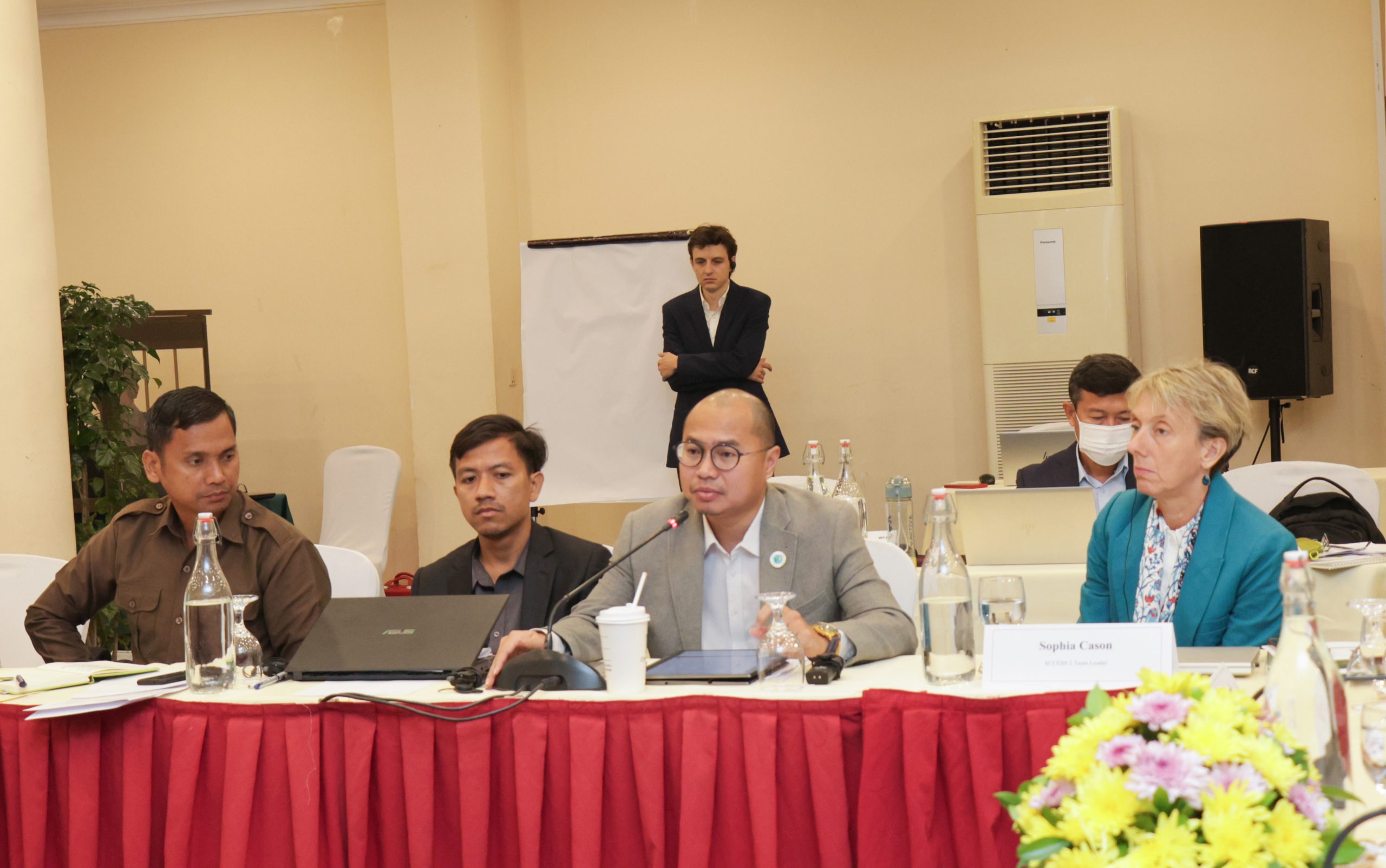
Closing the meeting, Ms Sophia Cason, ACCESS 2 Team Leader, outlined key actionable next steps. These will be carried forward through upcoming Provincial Coordination Committee and the ACCESS 2 Steering Committee meetings, ensuring that local ownership continued to drive progress toward a fully inclusive Cambodia.