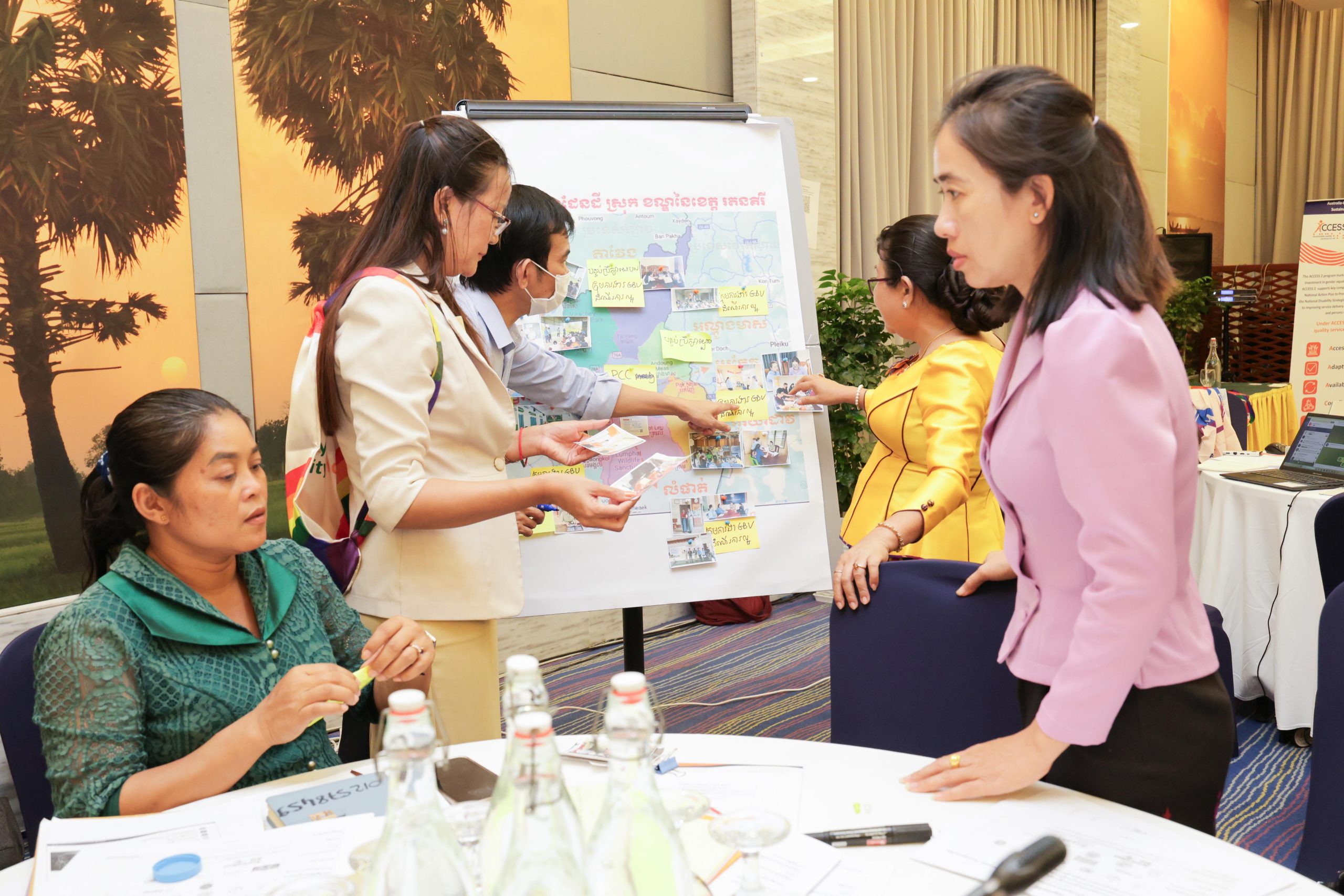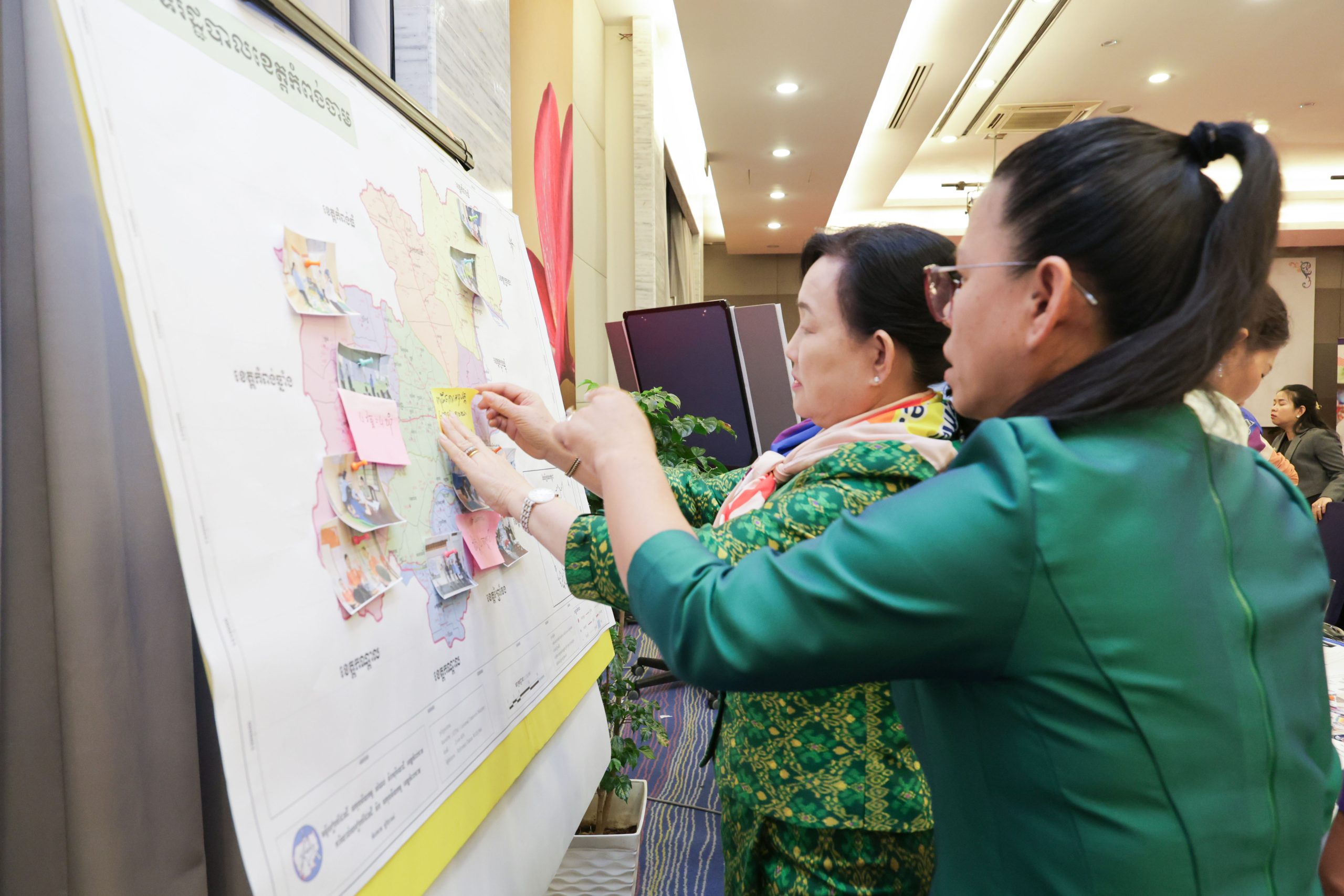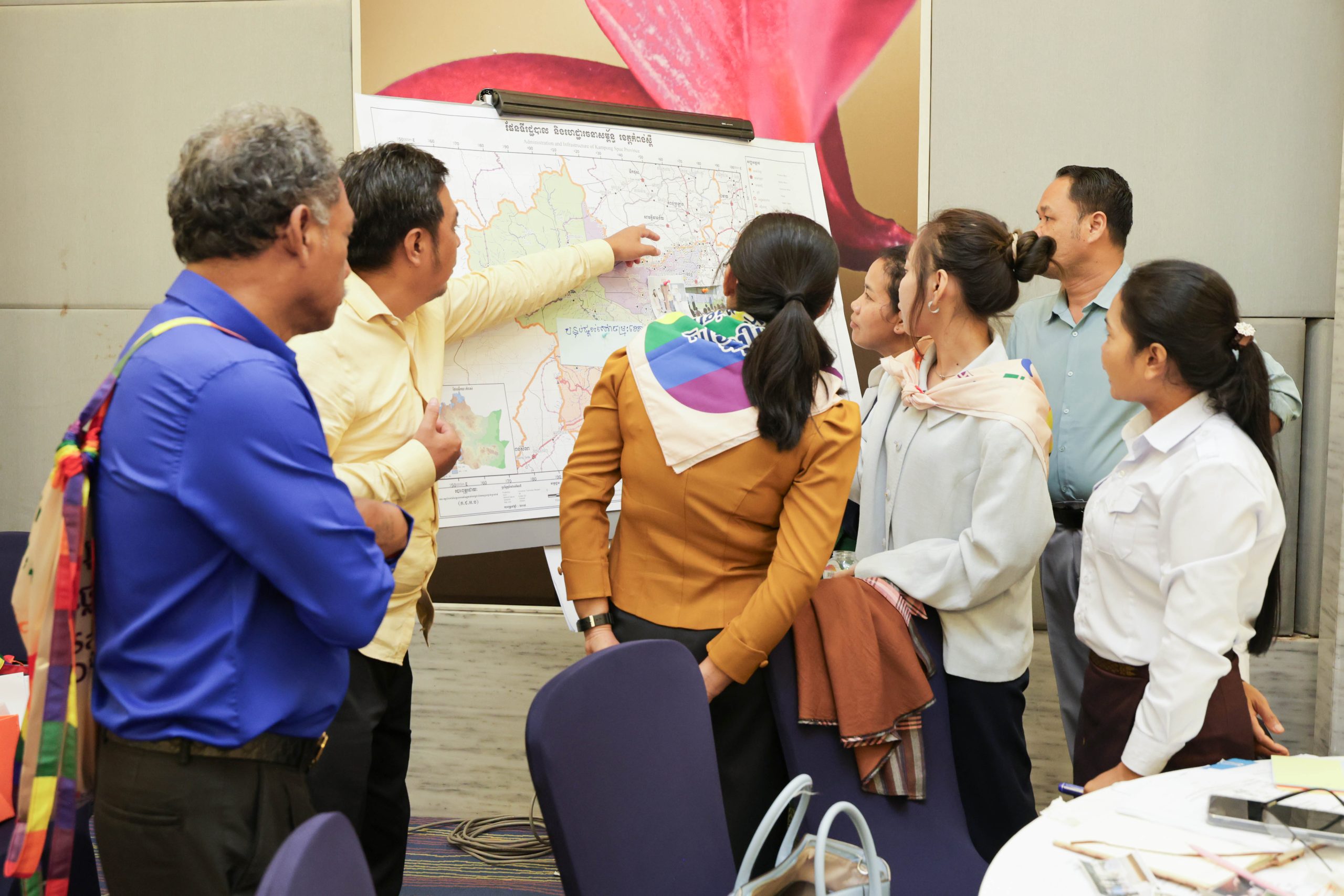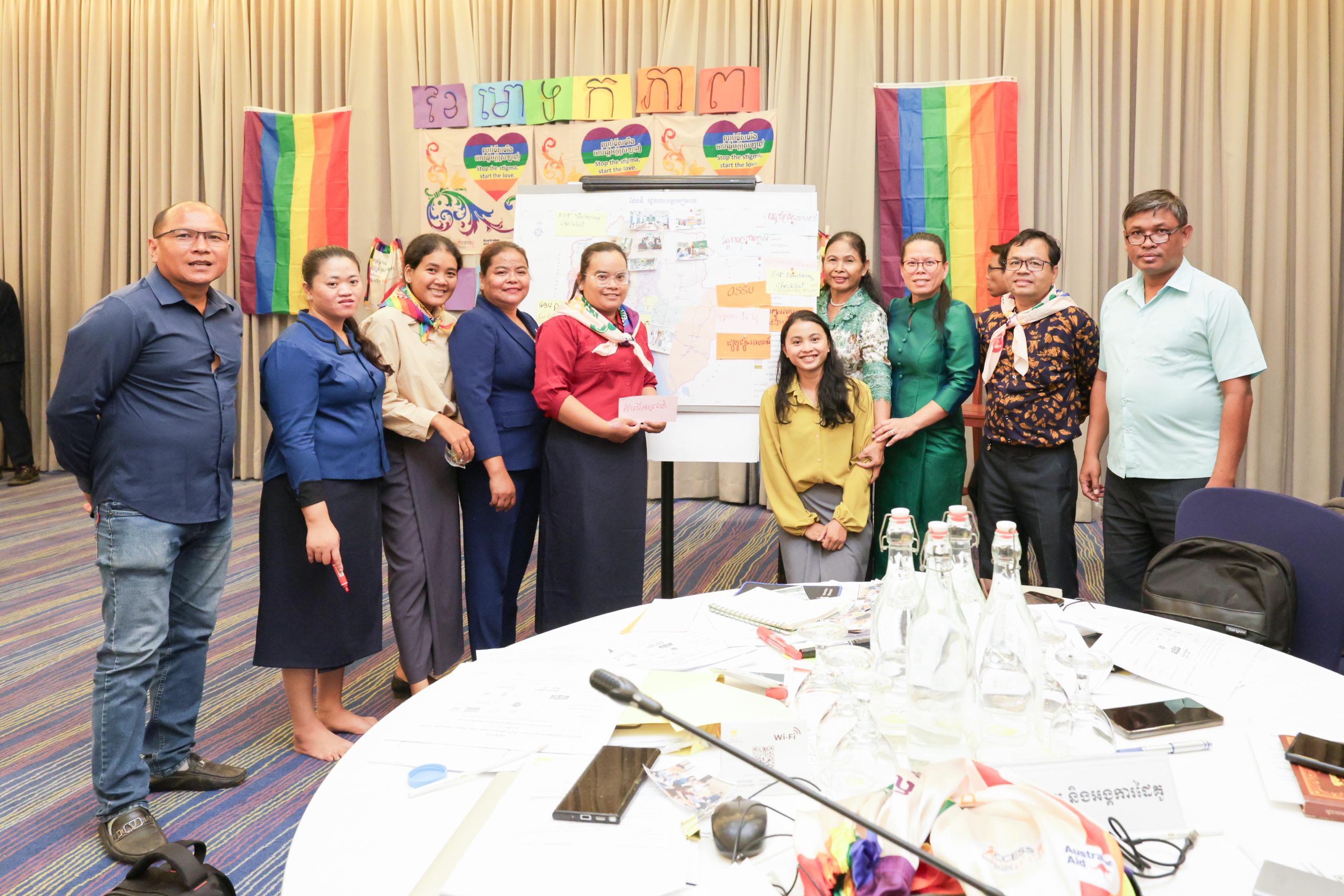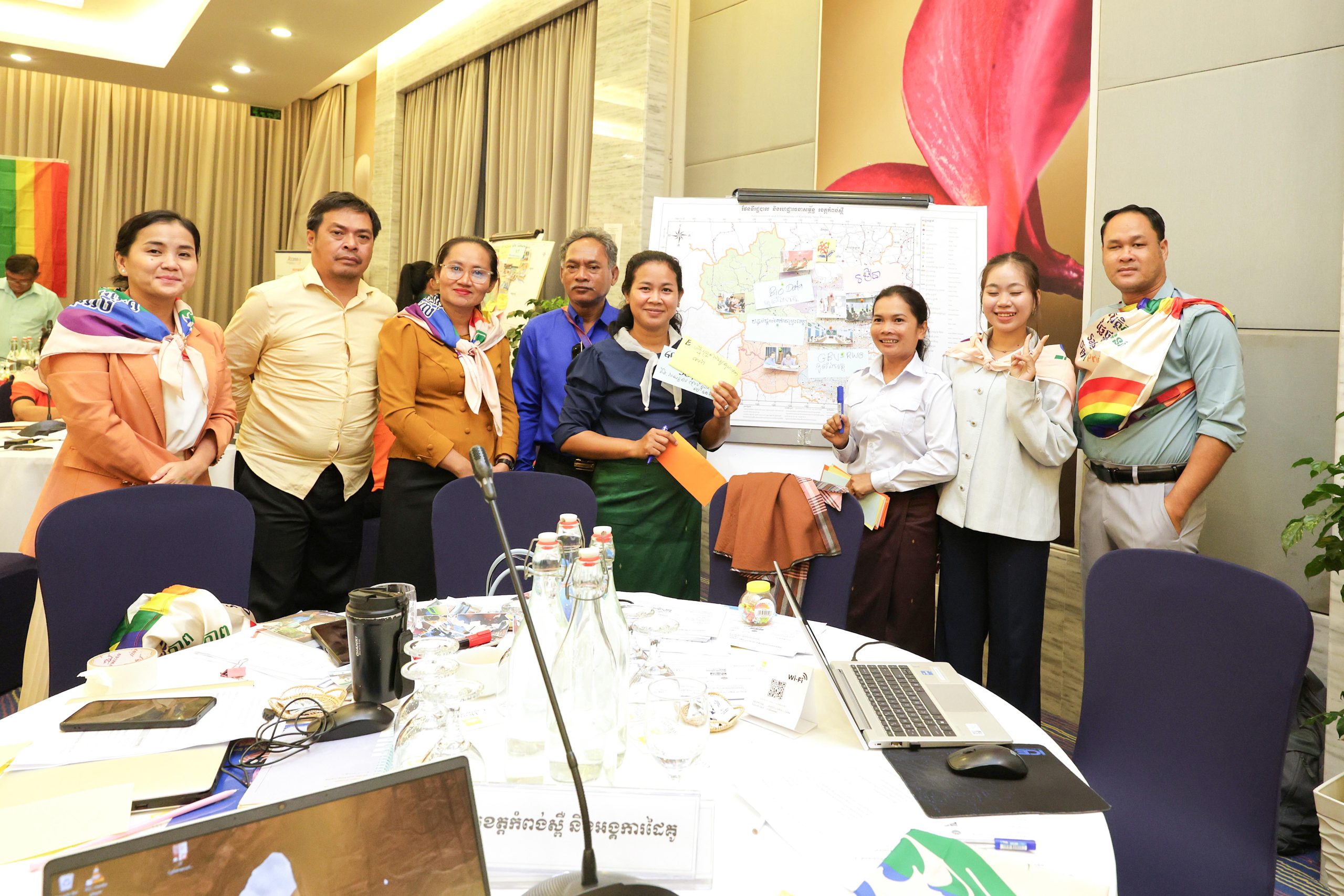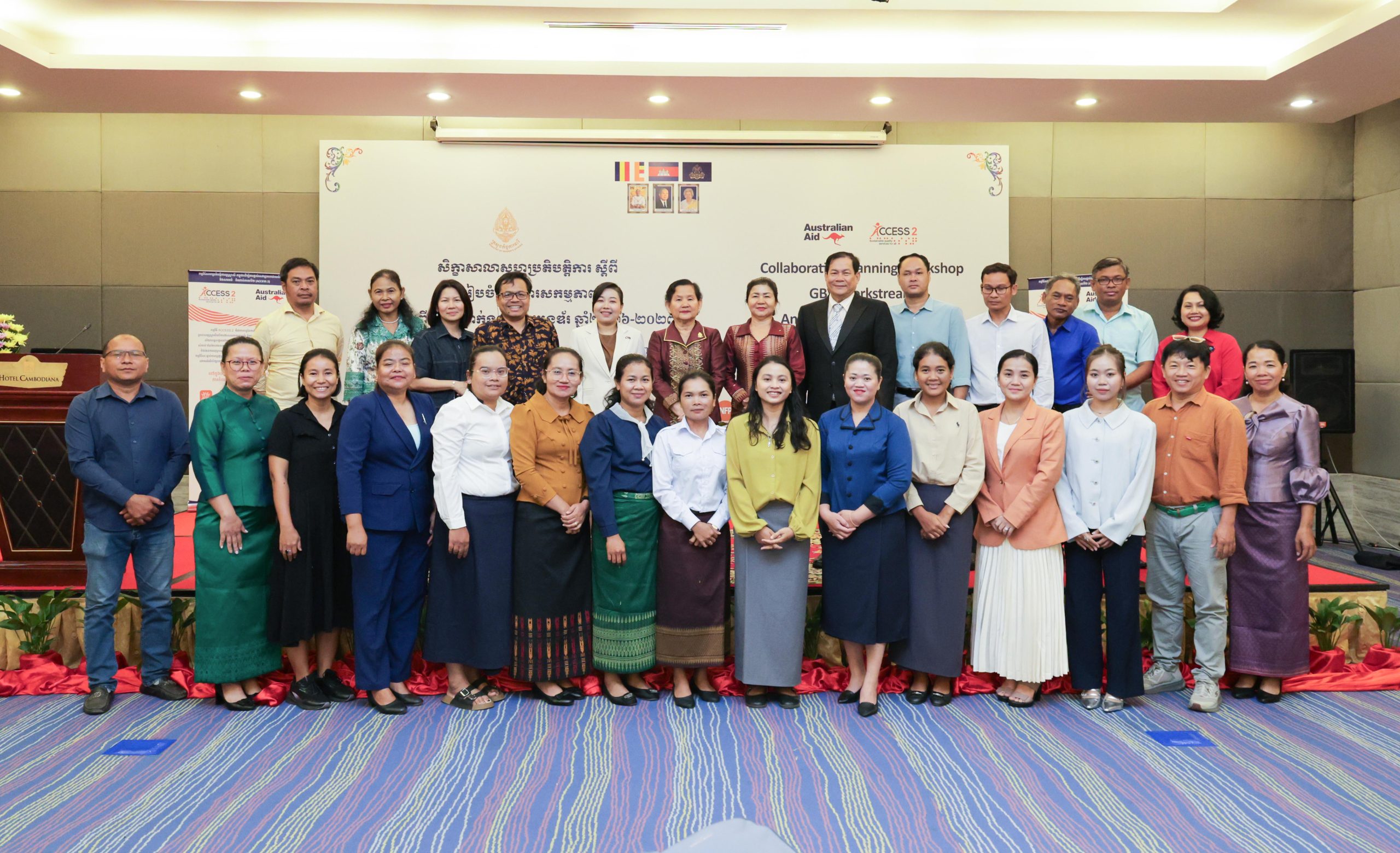
On 23 June 2026, the Gender-Based Violence (GBV) Workstream under the Australia–Cambodia Cooperation for Equitable Sustainable Services (ACCESS 2) program convened a collaborative planning workshop to develop the GBV Annual Work Plan 2026–27.
The workshop brought together representatives from the Ministry of Women’s Affairs (MoWA), Provincial Departments of Women’s Affairs (PDoWAs), Strategic Implementing Partners (SIPs), and ACCESS 2 to review progress, share lessons learned, and align priorities for program’s upcoming fourth Year.
 ACCESS 2, supported by the Australian Government, has worked closely with MoWA, PDoWAs, and SIPs over the past year to strengthen GBV prevention and response services across four target provinces. Key achievements include capacity building, case management support, survivor-centred service delivery, and the piloting of a standardised GBV Report Form.
Building on this momentum, the workshop aimed to strengthen coordination among partners, establish a unified pathway for Year Four, and ensure Gender Equality, Disability and Social Inclusion (GEDSI) principles are deeply integrated into GBV responses.
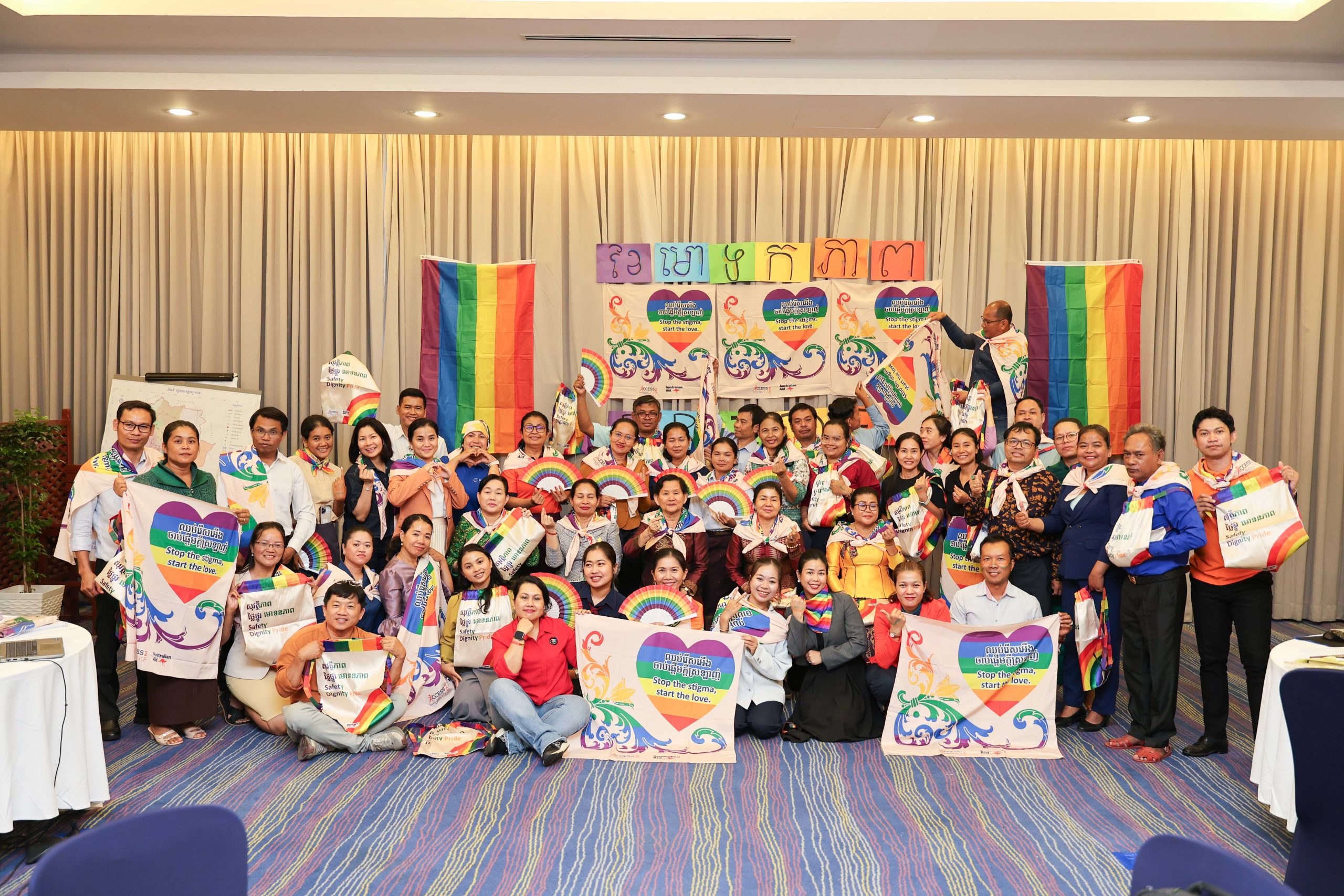
In addition to shaping the joint work plan and defining ways of working,, participants heard from LGBTQI+ representatives. Sharing their diverse perspectives and lived experiences, the speakers sparked meaningful discussions on the critical importance of diversity, inclusion, and respectful engagement both within the workplace and everyday life.
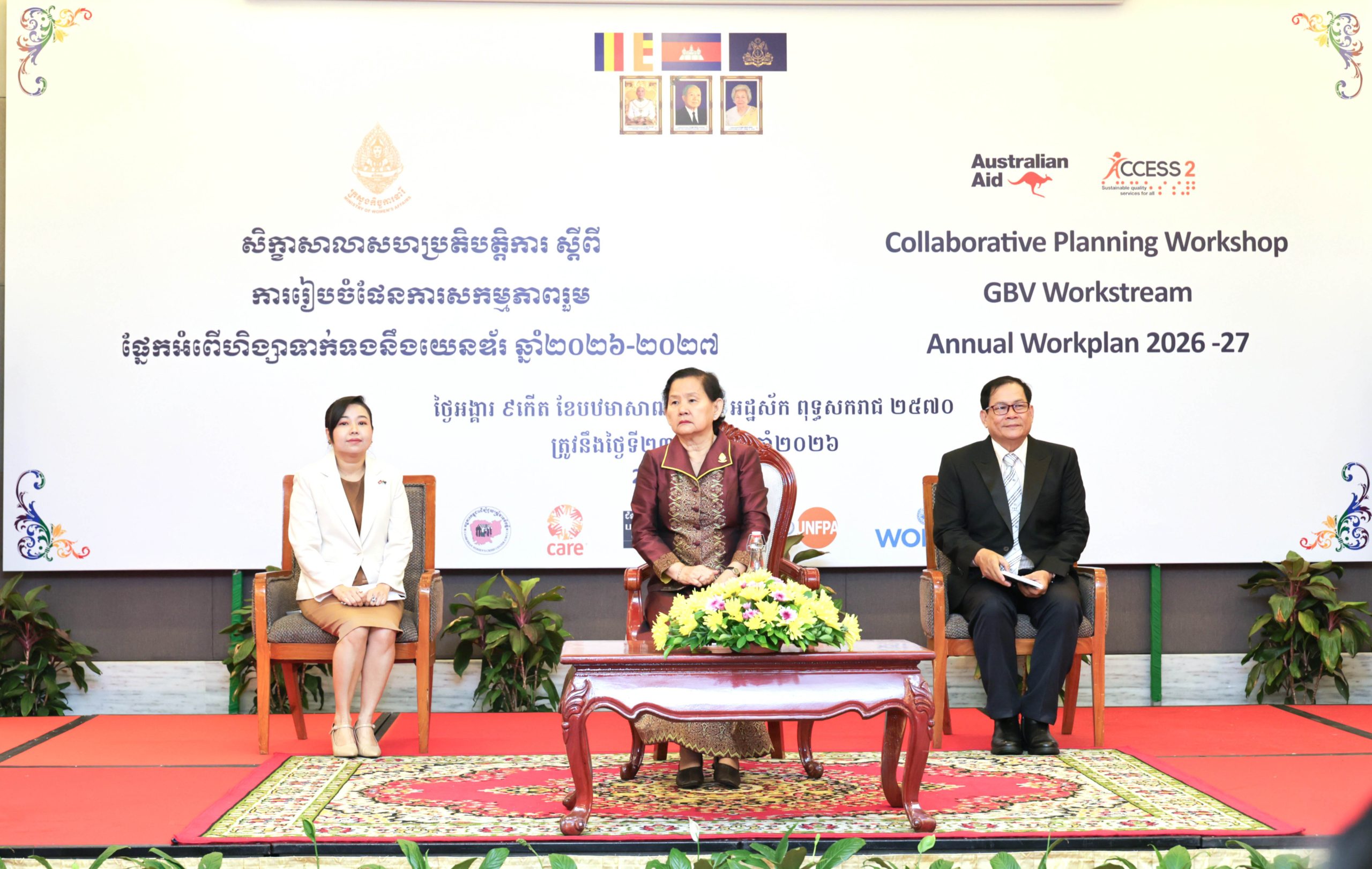
In her opening remarks, H.E Hou Samith, Secretary of State of MoWA, highlighted the importance of the workshop in driving collective impact. “This workshop provides an important platform for exchanging ideas, discussing implementation challenges, and identifying solutions to ensure the effective delivery of the action plan,” she said.
Ms Hel Sothearoth, Portfolio Leader for Development Cooperation at the Australian Embassy in Cambodia, commended the strong partnership among government counterparts and implementing partners. “This is an opportunity not only to plan ahead, but to reflect honestly on what we have achieved, what we have learned, and where we need to adapt to ensure our collective efforts have lasting impact,” she noted.
A key outcome of the workshop was a finalised roadmap for Year Four, complete with priority activities, strengthened coordination mechanisms, and practical actions to operationalize GEDSI principles. Ultimately, the workshop reaffirmed the shared commitment of the Australian Government and its partners to delivering coordinated, inclusive, and survivor-centred services for GBV survivors across Cambodia.